Understand Steel Pipe Sizes: 100×100 to 40×20 Tubes Explained
A 100×100 steel pipe is one of the most popular steel pipes that are used in construction and industrial projects. It is relevant that engineers, contractors, and builders understand its dimensions and uses. Steel pipes are available in a wide range of sizes, with big square shapes of up to 100 x 100 and also with small rectangular shapes of 40 x 20. The use of the right size will guarantee stability, security, and productivity in any project.
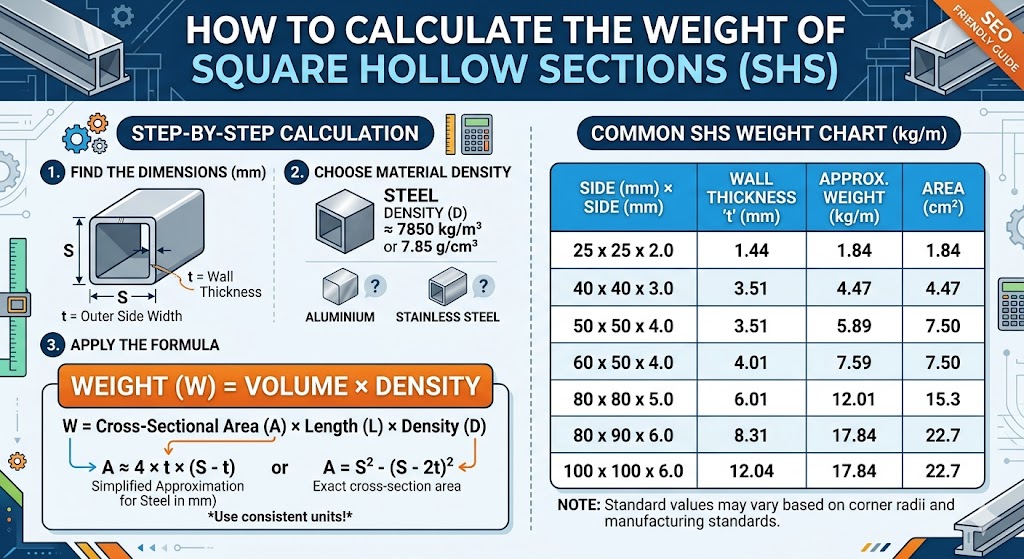
In the steel industry, standard dimensions are used to guide buyers to make the appropriate choice of pipe. Both pipes have width, height, thickness, and length specifications. Such information removes errors during the process of installation and makes the structure sustainable in the long run.
What Does 100×100 Steel Pipe Mean?
The 100×100 steel pipe is a square pipe (with sides 100 mm each). The pipes find many applications in building structures due to their strength and uniformity of shape. They have the ability to sustain vertically and horizontally.
Key points about 100×100 steel pipes:
- Square cross-section
- Not only appropriate in structural and industrial applications
- It can be easily welded, cut, and coated
- It can be found in various thicknesses to be used in various applications
The pipes are usually observed in construction scaffolding, fencing, and the support of structures.
Knowledge on Rectangular and Other Pipe Sizes
Steel pipes are not in square forms. The rectangular pipe consists of a 50 x 100 steel tube, and it is flexible in certain applications. These tubes have directional strength of beams, supports, and mechanical installation, and thus, are longer along one direction.
Advantages of 50×100 steel tubes:
- Improved distribution of loads on the longer side
- Lightweight in comparison to similar strength square tubes
- Simply made to make into frames and supports
The appropriate selection of shape may lower construction expenses and ease construction.
The Steel Pipes Thickness Duty
The thickness would influence the strength and longevity of any steel pipe. As an example, a 1.2mm steel pipe is slender but adequate in light applications like piping, furniture, and mini scaffolds. Heavy loads and industrial frameworks are normally handled by using thicker pipes.
The factors are dependent on thickness:
- Load-bearing capacity
- Elasticity to distortion and deformation
- Applicability to the welding or bending processes
- Aggressive environmental resistance
The choice of the appropriate thickness is a guarantee of the security and durability of the construction.
Understanding Smaller Tubes
In ornamental and light buildings, the size of the square tubes is smaller, e.g., a 1.5mm square tube. These tubes are easy to fabricate as they are cut, welded, and molded to make them appropriate for railings, small frames, and internal support structures.
Key points about small tubes:
- Lightweight and easier to carry
- Furniture, fencing, and decorative structures
- Paintable or coating can be applied to protect against corrosion
- It can be had in different lengths to suit numerous uses
These tubes, though large, are important to the aesthetics of the project and to support functionality.
Ordinary Brilliances of Steel Pipes
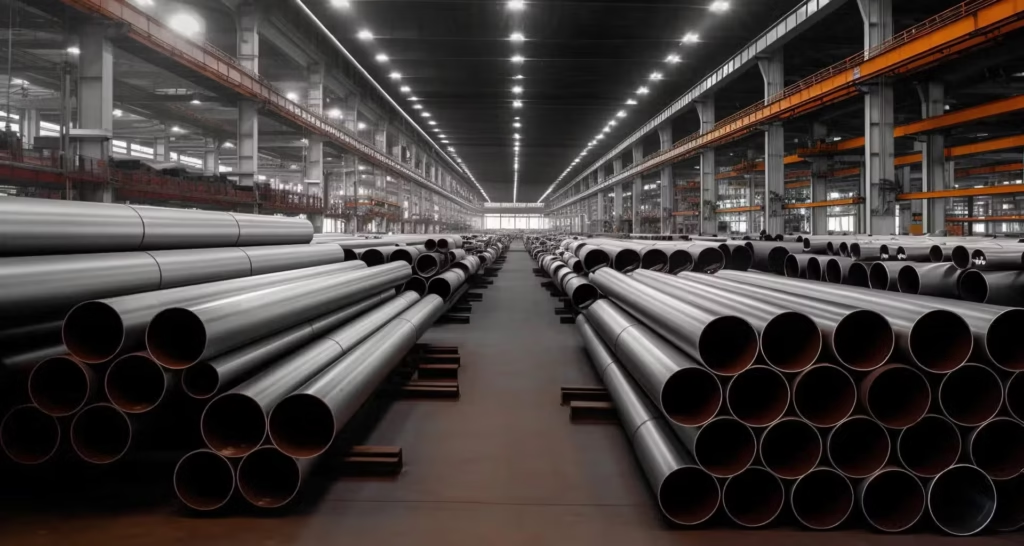
People usually produce steel pipes in standard lengths of about 6 meters, 12 meters, and make them to individual lengths as it is required. The length option relies on the requirements of the project. The longer pipes are used to have fewer joints, which takes a shorter time to install and enhances structural stability.
Advantages of the normal length steel pipe:
- Minimized welding points
- It is easier to transport and handle
- Uniformity of quality in projects
- Less time and work on installation
Proper length selection will help in the execution of projects with ease and improved control of cost.
Applications of 100×100 Steel Pipes
The steel pipe of 100×100 is commonly utilized both in construction and industrial works. They are commonly used in:
- Building structural designs
- Industrial framework
- Supporting beams at granaries and factories
- Mechanical and machinery structures
Its cross-sectional uniformity enables engineers to deliver precise load and stress calculations, and it is a reliable material in heavy-duty projects.
Pipe-Sizing: The Right Pipe Size
The accurate size depends on the factors listed below:
- Load requirements
- Space constraints
- Fabrication needs
- Budget limitations
- Environmental conditions
To illustrate, small pipes such as 40×20 and thin pipes such as 1.2mm steel pipe can be used on the light structures, and the 100×100 steel pipe should be used in the main structures. The appropriate size will make the structure strong and will save the unwarranted cost of material.
Invention and Individualization
Pipes of different sizes can be made out of steel and adapted to project requirements. The fabrication processes are usually cutting, welding, bending, and coating. For instance:
- 100×100 steel pipe: cut to main beams or heavy support
- 50×100 steel tube bent or welded to support the directional force
- 1.2mm steel pipe: formed to be used in light-duty applications
- 1.5mm square tube: it can be used to make decorative or internal structures
Customization is one of the components that provide the pipe that fulfills the specific project requirement of the project and enhances efficiency and structural performance.
Advantages of Learning Steel Pipe Sizes
The buyers should be educated on steel pipe sizes, and this knowledge assists them in making good choices. Benefits include:
- Reduced material waste
- Proper estimation of the steel required
- Applicable structural load distribution
- As well as easier assembly and installation
- Improved project safety
With knowledge of dimensions and thickness of pipes, its contractors need not hesitate to settle on the most effective material to be used in any given application.
How to Choose the Appropriate Supplier
When buying steel pipes, one should buy them from reputable suppliers. A good supplier provides:
- Certified material quality
- Large variety of pipe dimensions and thicknesses
- On-time delivery to the site of the project
- Technical advice on the selection of the appropriate tube
The selection of an appropriate supplier will guarantee that your 100×100 steel pipe and other types of tubes are sound and dependable, and can be immediately used.
Conclusion
Learning about the sizes of steel pipes, such as the 100×100 steel pipe, to smaller tubes such as 40×20, is vital in construction, industrial, as well as mechanical works. The appropriate choice of size, thickness, and shape provides stability of the structure, security, and economy. Depending on the application, the superiority of different applications is available with the related tubes that include the 50×100 steel tube, 1.2mm steel pipe, and 1.5mm square tube. The buyers are able to select the most appropriate pipes that suit their projects due to the knowledge about specifications and the uses of each type, ensuring that their projects are successful and last long.