Maintenance Tips for Extending the Life of Galvanised Pipes in Humid Areas
Galvanised pipes maintenance is important for the long life of plumbing and industrial piping systems, mainly in areas where the climate is humid. The humid conditions subject the metal surfaces to stress at all times. With time, this strain has the potential to reduce the life of the pipes if they are not taken care of. Wear, internal buildup, and protective coating are all affected by humidity. Galvanised piping can work well for decades. This guide explains the maintenance process systematically and practically.
Issue of Moist Climates: Background
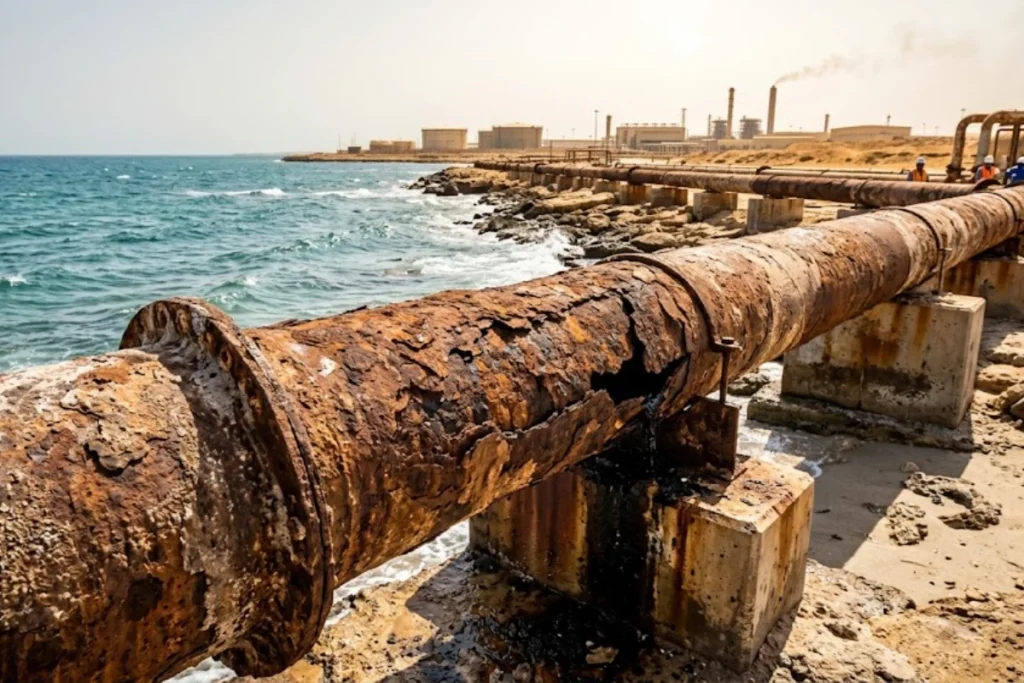
The policies of damp humidity make sure that the surfaces made of metallic materials remain wet for a very long duration. The pipes may appear dry to the touch, but there may be some remaining moisture in the air that cannot be detected by the naked eye. This constant exposure wears the zinc coating, which provides zinc protection to galvanised steel. With time, weaknesses arise. These parts gradually increase when they are not treated. Knowing the interaction between humidity and metal can help avoid damage and repairs.
Primary Check and Testing of the System
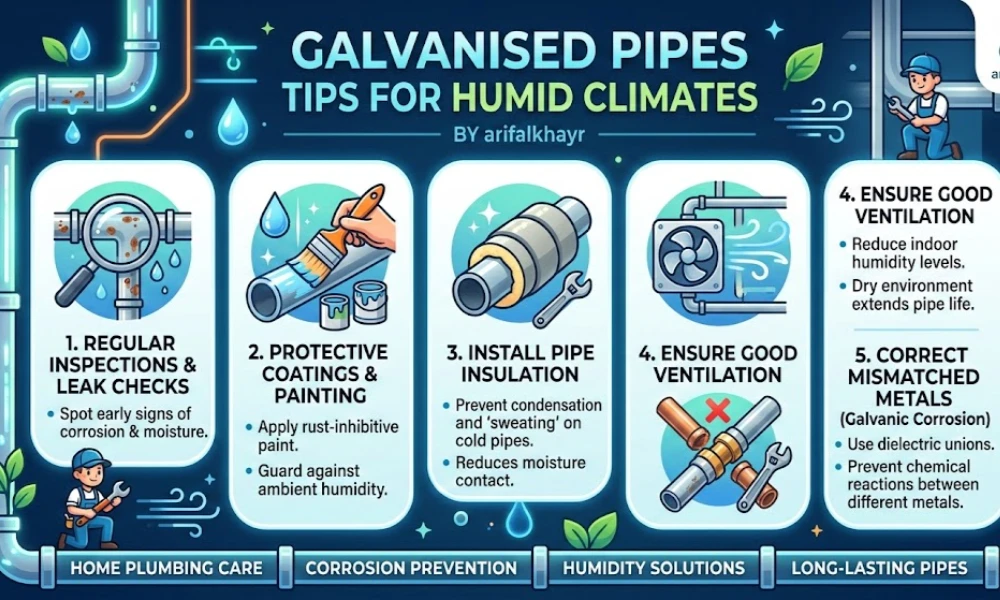
The maintenance process starts with a careful inspection of the piping system. The visual inspection assists in detecting discolouration, surface roughness, or signs of wear. The inspection in humid areas should be more often. Care should be taken about joints, fittings, and low-ventilated areas. These spots retain longer moisture than exposed spots. Pre-emptive analysis allows for taking corrective measures before the protective layer decays.
Washing off Surface Contaminants
Chemical residues, dust, and salts tend to settle on exposed pipes. When there is moisture, these contaminants retain moisture on the metallic surface. This layer is removed with regular cleaning, and the pipes are kept dry. Light cleaning chemicals and brushes tend to do the job. The aggressive techniques are not allowed, as they can destroy the zinc coating. Smooth surfaces react to the air more favourably and minimise the risks of damage in the long run.
Enhancing the Airflow Around Pipes
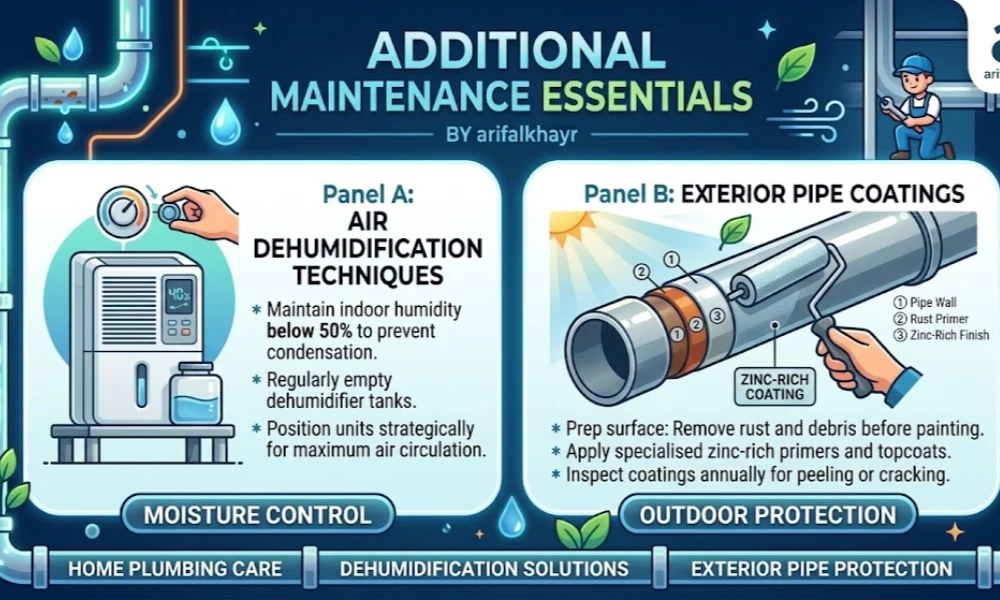
The force supportive but neglected maintenance tool is ventilation. Inefficient circulation of air leads to condensation. The pipes that are laid in closed areas like basements, plant rooms, or service shafts are particularly susceptible. There is enhanced circulation to allow moisture to evaporate. Even such a basic step as exhaust fans or ventilating grills can have a tangible impact. The environment stays dry, making the decay process in metal systems slow.
Treatment of Internal Moisture Conditions
The internal moisture is as harmful as the exposure to the outside. When there are differences in temperature, condensation may take place inside the pipes. Designs of the systems and proper drainage minimise standing water. Frequent flushing assists in getting rid of trapped water and internal deposits. The water that lies still over time erodes the internal surfaces. Internal checks should be included in the maintenance schedules so that the system can be kept clean and dry.
Coatings of Defence and Touch-Ups
Even though galvanised pipes are provided with a protective layer of zinc, other coatings can prolong the service life. Where there are high risks, touch-up compounds can be applied to the exposed parts. These finishes provide additional resistance to moisture. Caution should be taken to use matching material. Poor products might trap moisture instead of repelling it. Strategic coating boosts durability without harming the system performance.
Intervention in Early Warning Signs
Minor problems are usually manifested well before a breakdown. The coating wear is represented by flaking, chalky residue, or coarse texture. These are signs that should not be overlooked. Spread is avoided by early intervention. This phase is very vital for galvanised pipes maintenance, since the cost of dealing with it is minimal. Surface issues are resolved at an early stage. This prevents internal damage that can be more difficult to detect and fix at a later stage.
Avoiding Long-term Structural Damage
A related issue in humid climates is humidity damage, which, over time, dilutes metal integrity. Constant exposure not only influences the surface but also the structural strength with time. Preventive maintenance is more focused on controlling the moisture rather than managing the failure. Consistency is key. These checks, cleaning, and environmental controls will ensure that the system does not deteriorate in depth.
Professional Support Role
Expansive plants and factories enjoy the services of professional supervision. Professional service providers know about environmental hazards and the behaviour of materials. Companies such as Arif Al Khayr are known to provide quality piping and advice in harsh climatic conditions. We are experienced in guiding our clients. Our team offers the best maintenance strategies that are consistent with the real-world setting. Confidential experience secures systems with established practices.
Long-term Performance and Cost Control
Maintenance is not the only concern of protection. It is also concerning cost efficiency. The replacement of piping systems is costly and inconvenient. Galvanised structures that are properly maintained minimise emergency maintenance and loss of time. Foreseeable maintenance enables enhanced planning of the budget. In the long run, sustained care will give better ROI and reliability of the systems.
The Effects of Water Quality Monitoring
Water chemistry affects the conditions of internal pipes. Monitoring the following elements assists in predicting internal wear:
- Metal surfaces are in contact with minerals, oxygen levels, temperature, and so on
- Changes in the treatment techniques may be required
- Clean water minimises accumulation and internal reactions
- This is a proactive strategy that supplements the external maintenance process and system longevity
Setting Up a Maintenance Schedule
An effective timetable maintains the regularity of maintenance. Strong damage protection is offered through the following schedule:
| Frequency | Maintenance Activity |
|---|---|
| Monthly | Visual inspections |
| Quarterly | Preventive maintenance checks |
| Annually | Professional inspection |
Documentation assists in monitoring the changes over time. Future decisions are informed by trends in wear patterns. Many planned strategies can make maintenance proactive rather than reactive.
Long-Term Corrosion Control
The other important concept is Pipe corrosion prevention, and it is based on reducing exposure as opposed to eradicating it. Moist surroundings are not easily amenable to change. The response to such conditions on pipes can be controlled. Airflow, protective layers, and routine care combine to delay the corrosive processes. This also maintains the integrity of the system.
Conclusion
Galvanised pipes maintenance can provide long service life even in humid areas. There does not necessarily have to be exposure to moisture. Systems are robust and reliable with frequent check-ups and cleaning. You must have air conditioning and maintenance by experts. Maintenance is a continuous undertaking and not a task. It protects the infrastructure, cuts the cost, and secures the non-stop future operation.