How to Choose the Right Steel Pipe Thickness: 1.2mm, 1.3mm, 3mm, & More
The 1.5mm square tube is among the most accepted choices that people make when choosing the correct thickness of steel pipes. A lot of purchasers are unable to know what thickness fits their project. The reason is simple. All buildings, frames, or other mechanical elements demand varying levels of strength. Thus, incorrect selection of thickness could contribute to poor assistance, money loss, or security.
This blog has given a concise explanation of the choices of thickness. It also assists you in making the correct choice of a pipe depending on the load, purpose, and long-lasting durability. At the completion, you will be aware of when to use a fine, medium, or heavy pipe.
The Importance of Steel Pipe Thickness
The thickness of the steel pipe has an influence on strength. It affects durability. It affects weight. Even cost.
The 1.5mm square tube has been proposed as a moderate solution since it is neither too thin nor too thick. It has great strength and is light enough to be fabricated easily. However, sometimes it is preferable to have a lighter or heavier thickness.
Early bending may be a result of a wrong decision. A structure that has the right decision can last long. It is, therefore, true that decisions related to thickness must be made based on actual project requirements.
When to Use Thin Steel Pipes
When structures are not required to bear heavy loads, thin pipes would be helpful. They are applicable to small domestic projects and light frames. The 1.5mm square tube frequently fits into this medium-light category, and can be used well where stiffness is necessary but not too much weight is added.
Thin pipes are also easy to bend when shaping. This ensures reduced time in installation. They are, however, not to be used at high pressure or heavy loads.
Use thin pipes for:
- Indoor furniture
- Display stands
- Decorative structures
- Light partitions
These buildings require fundamental strength and not industrial-level support.
Understanding the 1.2mm Steel Pipes Usage
One of the thinnest types is the 1.2mm steel pipe. It is ideal for projects having a small load. It is easy to cut and weld because of the low thickness. However, it is not perfect for outdoor or structural use.
It is very light, and therefore people use it on a temporary basis, as a light bulb or design item. It is cheaper; however, it should be applied sparingly.
Power and Flexibility of 1.5mm Square Tube
The tube is 1.5mm square, providing a balance between flexibility and strength. It is durable and not heavy, hence fabricators normally use it in medium-strength projects.
It is capable of managing medium pressure. It has a greater resistance against bending as compared to thinner pipes. It is also stable in medium outdoor conditions. It is because the 1.5mm square tube is seen by a good number of builders as an intelligent and cost-effective choice when it comes to general fabrication work.
Uses include:
- Medium-weight frames
- Shelving systems
- Vehicle body parts
- Construction support grids
This lightness and strength are combined to make this thickness dependable in most industries.
When to Select 3mm Pipes for Heavy Strength
The 3mm black steel pipe is far stronger than the thin pipes and medium-thin pipes. It is created for heavy-loading structures. It is able to withstand pressure, weather, and impact because of its thickness.
This pipe is common in:
- Industrial machinery
- Heavy outdoor frames
- Structural beams
- Fencing solutions that are long-term
It is not easy to bend or cut. However, when supported strongly, it is among the best options.
The Thickness of Pipes Used in Balanced Applications
There are projects that need strength and not industrial weight. That is where medium-thickness choices are bright. The 1.5mm square tube will suit exactly in this category. It provides the correct strength for the majority of residential or commercial fabrication.
Moderate stress can be carried on medium pipes. They can be used in the small buildings that are open to the environment. With an appropriate framing design, they can also be used to support greater loads.
Why Tube Length Is an Issue in Your Project as Well
The aspect of thickness is not the only one. The length is a significant factor in stability. The thinner the pipes, the more they will hang. Nevertheless, it is important to ensure that you have checked the length of the pipes before settling on the thickness.
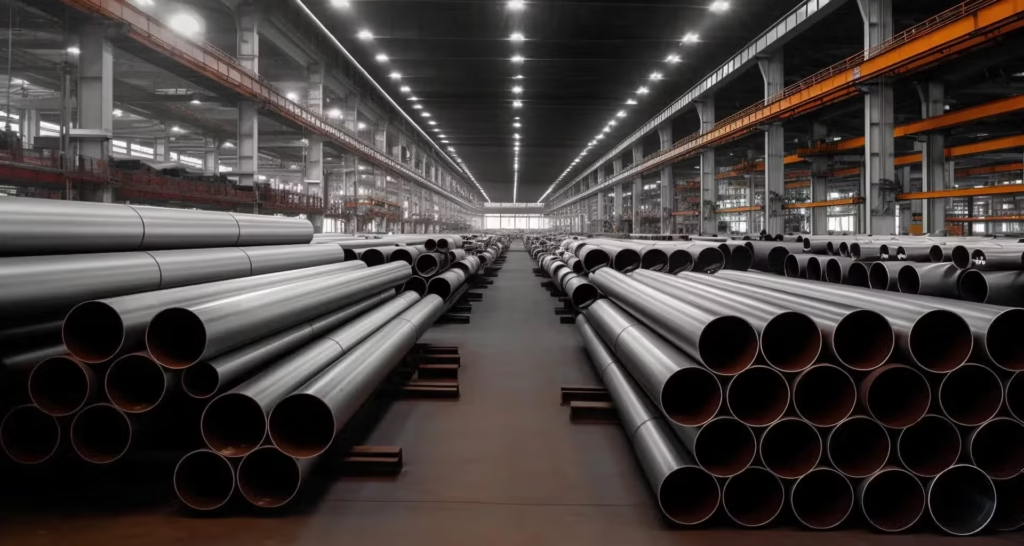
There are numerous suppliers of long pipes to be utilized. There are those that sell up to 6 meters. The 6m steel tube happens to be one such popular length commonly used on larger structures, where the number of joints required is reduced.
Tubes of greater length minimize the weak points. But they must have the proper thickness of it.
Comparing Thin vs. Medium vs. Heavy Steel Pipes
The following is a basic comparison of categories of thickness:
Thin Pipes
- Easy to cut
- Suitable for short-term projects
- Best for light loads
Medium Pipes
- Strong for general use
- Provide good durability
- Fit to be made out of ordinary stuff
Heavy Pipes
- Best for industrial use
- Handle high pressure
- Harder to bend
The medium-sized tube is the 1.5mm square tube. It provides the power without any excess weight. This is why it is one of the most popular ones that are chosen.
How Environmental Conditions Influence Thickness Decisions
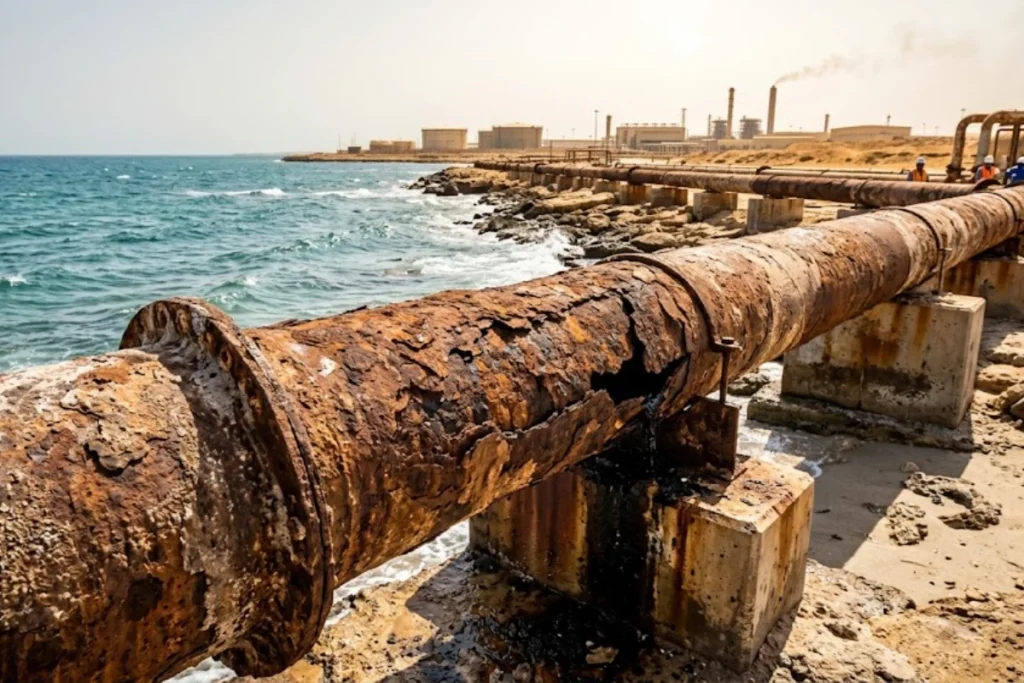
Weather impacts pipes. Exposed to the open air, a thin pipe can rust quickly. A pipe with its thickness will remain strong even in extreme conditions. The 1.5mm square tube can be used in average conditions. However, when it is likely to be heavy rain or when the chemicals used by industries are involved, it is better to use a heavier one.
Applications outside demand consideration of:
- Humidity
- Direct sunlight
- Soil contact
- Weight impact
Medium thickness is good in areas with a mild climate. Heavy pipes are more resistant to tough climates.
How to Choose the Right Thickness
To discover the ideal thickness of the pipe, use the following steps:
Check load requirements. Heavy loads need thick pipes.
Examine environmental exposure. Heavier materials are needed for outdoor usage.
Get to know how you are going to fabricate. Certain tools are not able to handle heavy pipes.
Evaluate long-term needs. In case of durability, the medium or thick pipes are preferred.
Compare weight and cost. Heavier pipes are expensive, yet have longer durations.
The 1.5mm square tube has a long-term value of great worth to the majority of general projects.
The Most Common Mistakes Made When Selecting the Pipe Thickness
Most individuals misuse the choices of pipes. The most common ones are:
- Selecting overly thin pipes in the outdoor structures
- Working on small indoor work with heavy pipes
- Neglect of the length of pipes with regard to strength calculations
- Failure to inspect the final loading weight
- Losing sight of the implications for the environment
The 1.5mm square tube does not have most of these issues since it is a balanced one.
Conclusion
The type of thickness of steel pipe must be selected to be safe and strong as well as durable. The 1.5mm square tube is an average-sized tube and can be applicable in most cases when the load is medium. Bare pipes are only suitable in light projects. The distribution of heavy pipes is industrial. With this knowledge, you will know which thickness is the best, and therefore, you will make the right decision every time. In case you require a long-lasting and inexpensive solution, the 1.5mm can still be a viable solution for overall fabrication and building projects.