From Water Supply to Drainage: Water Pipes, Pipework, and Drain Pipes Guide
Modern plumbing depends on water pipe systems in homes, buildings, and infrastructural projects. They deliver fresh water amidst safety and assist in the elimination of garbage. The day-to-day life becomes hard without an adequate piping system. In kitchens as in industries, pipes do not make a sound but are essential.
This guide is a description of the manner in which water delivery and drainage systems operate. It addresses the materials, installation practice, and maintenance fundamentals. The sections are straightforward and easily read. It will be to make you aware of the entire process of water.
Appreciating Water Supply Systems
The supply system is a delivery system of clean water to the point of consumption. It should not be insecure or leaky. The design is based on pressure, use, and size of the building. Low flow or contamination may be brought about by poor design.
A typical water pipe system consists of branches, connectors, and mains. Every component should correspond to pressure needs. The pipes are typically concealed in the wall or in the ground. It makes proper planning very crucial.
Waste lines should not be in contact with clean water lines. This segregates health hazards. The quality of the material and the joint are the main factors of long-term safety.
Ordinary Materials in Water Lines
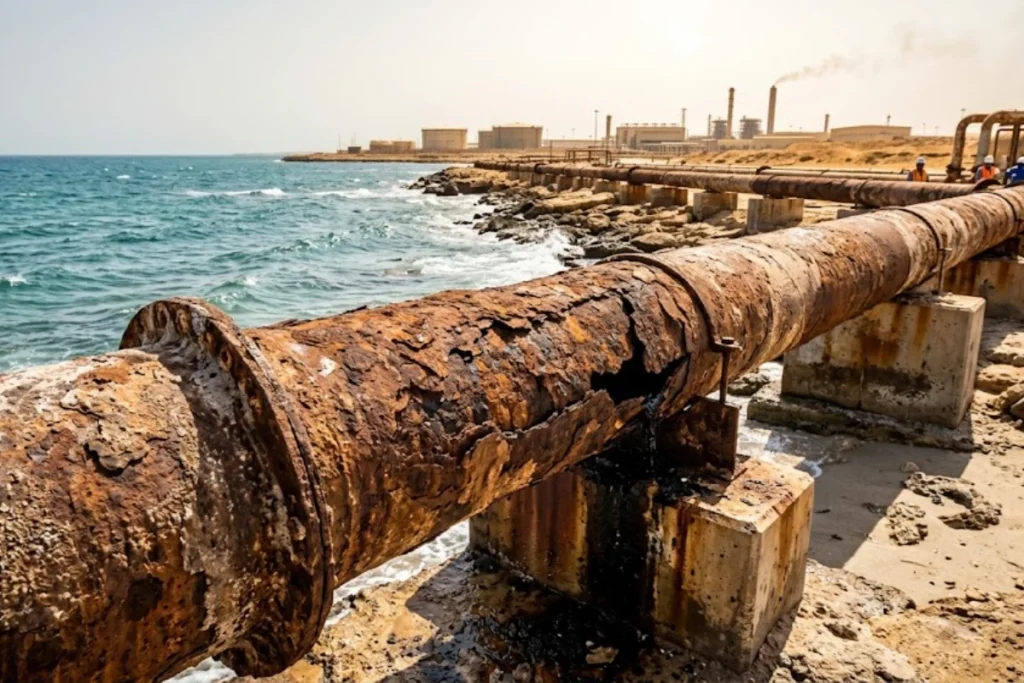
Pipes come in many materials. Every one of them has strengths and limitations. The option will be based on budget, climate, and usage. Steel and copper are available as metals. They are robust and durable. Plastic materials are lighter and cheaper to install.
The following are some of the general considerations in material choice:
- Corrosion and rust resistance
- Ability to handle pressure
- Installation and maintenance requirements
- Cost and availability
An ideal water pipe must be able to cope with day-to-day needs. It must also comply with the local plumbing requirements.
Pipe Layout and Design Role
Layout affects performance. Inefficiency is caused by a poor layout. A planned system guarantees a constant flow. It is here that water pipework planning comes in. It determines the way in which pipes will be passed through walls, floors, and ceilings. Space is done properly, preventing any pressure drop and noise. It also helps during repairs. The associated name water pipework is used to refer not only to separate lines but to the entire network. It consists of bends, joints, and valves. A proper design eliminates wastage and enhances longevity.
Best Practices in Terms of Installation
Proper installation increases the life of the system. It also minimizes leakages and repairs. The pipes should be properly aligned. Joints must be sealed well. Installers should use slope and support regulations. Unsupported lines may have a tendency to slump with time. This results in stress and cracks. A properly installed water pipe system has a consistent pressure. It also eliminates external contamination. Professional labor is important just like excellent materials.
Drainage Systems Explained
Wastewater is disposed of through drainage. It maintains buildings in good condition. These are gravity-based systems as opposed to pressure-based systems.
Waste lines should be in the right direction. This allows smooth flow. Poor slope or sharp bends are some of the causes of blockages.
The adjacent word drain pipe is used to denote a waste and rainwater pipe. These lines would lead to sewers or septic systems. They have to be powerful and not cloggy.
Spacing of Supply and Drain Pipes
Supply and the waste lines have varying uses. When they are mixed up, there are major problems. The water pipes should be clean and have a pressure-resistant capability. Flow efficiency is required in waste lines.
The clean water is carried through a water pipe. Waste is taken out by way of drainage lines. One works under pressure. The other works by gravity.
This difference is used in the understanding of repair and upgrades. It also eliminates errors in installations in renovations.
Preventive Maintenance and Inspection
Typical maintenance leads to the detection of major failures. Neighboring leaks may turn out to be expensive. Early detection saves money.
Examine areas of check visibility as to corrosion or dampness. Listen for unusual sounds. Check on the water pressure.
A pipe system of water is maintained and lasts longer. It also guarantees performance consistency. Routine building care should include maintenance.
Common Problems and Solutions
Plumbing systems are characterized by frequent problems. These consist of leaks, clogs, and drops in pressure. The majority of issues possess easy causes. Leaks often occur at joints. Obstructions are caused by the accumulation of rubbish. The sources of pressure are poorly laid out lines or aging lines.
The following basic steps can be used to avoid problems:
- Avoid flushing solid waste
- Use strainers in drains
- Insulate pipes in cold areas
When the water pipes are fast responding, the whole pipes are safeguarded.
Selecting the Right Pipe in Your Project
Projects have their own requirements. Residential properties are not similar to business premises. Usage patterns also matter.
Take into account the quality of water, its pressure, and temperature. Correlate these and the pipe specification. Make no compromise on standards.
Safety and efficiency are enhanced by a sound water pipe decision. It also saves on future repairs.
Sustainability and Contemporary Plumbing
The contemporary systems are efficiency-oriented. Water-efficient designs have become the norm. Pipes contribute to sustainability.
Loosely fitting systems minimize wastage. The long-life materials minimize the replacement. Energy and water-saving smart layouts.
The performance of the buildings can be enhanced by upgrading the old network of water pipes. It is also healthy for the environment.
Water and Drainage Systems of the Future
Plumbing technology is still developing. New materials and intelligent monitoring devices are coming up. These enhance management and protection. Leaks can now be detected at an early stage. Modular systems make the repairs easier. Such developments save on time-out. The fundamental role of the water pipe is also similar.
Conclusion
Piping systems facilitate everyday life since the delivery of clean water, waste collection, among others, depend on piping systems. Knowing them makes it easier to make decisions. It minimizes problems in the long term, as well. Comfort and hygiene are guaranteed by a well-designed water pipe system. It is a complete solution when it is supplemented with good drainage. Similar to round pipes and square tubes, understanding these basics is a worthwhile investment. For more information on galvanised steel pipe solutions, visit Arif Alkhayr that would be paid a hundred times over in the future.