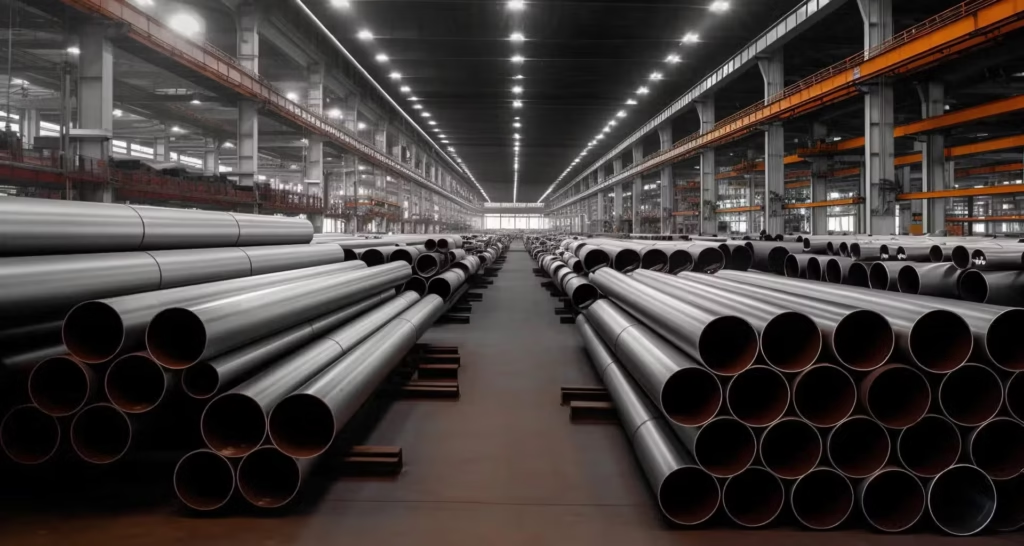
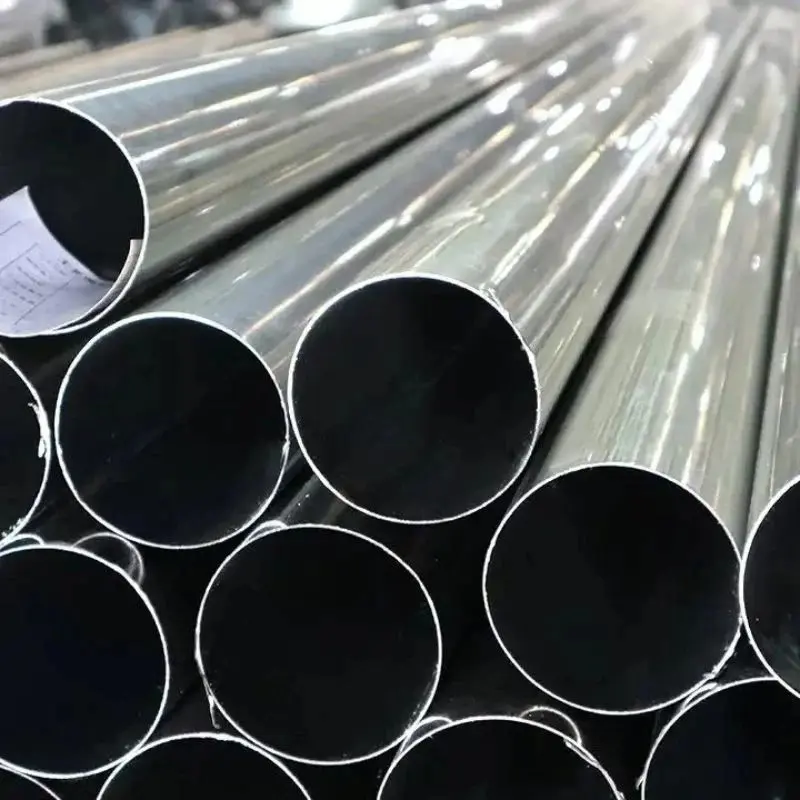
The BS 1387 is still a significant guide in most Saudi building and industrial specifications. Even though it is a very old British standard, it is still referenced extensively in tenders and in project documents. It still has several engineers who use it because of its consistency and familiarity.
This blog presents the reasons why BS 1387 is used today. It further discusses its suitability for the contemporary Saudi market. The guide is relevant in terms of technical relevance, equivalence, and compliance.
Knowledge on the Origin of BS 1387
BS 1387 was designed as a standard for steel tubes for water, gas, and air utilization. It established standards of material quality, sizes, and finishes. It was used as an international standard for a long period of time. Although newer standards are available, BS 1387 is still mentioned. It remains in specification since it is used by legacy projects and long-established design practices.
The Reason Why BS 1387 is Used in Saudi Arabia
The projects in Saudi Arabia are a mixture of modern and legacy projects. The number of designs developed was many decades ago. Such designs tend to be of older standards. BS 1387 is common in the work of refurbishing. It is also observed in utility networks and small-scale construction. It is still faced by contractors when making approvals. The same can be said of its relevance in the current market due to this continued use.
Technical Scope of BS 1387
The standard includes mild steel tubes. These tubes are normally applied in low-pressure services. The thickness and diameters of the walls are well established. The BS 1387 categorizes pipes into light, medium, and heavy. This assists the engineers in making choices depending on usage and load. It is made easy to classify, which makes it even more appealing.
Material and Mechanical Property
The steel pipes that are up to this standard have to fulfill minimum mechanical requirements. These are tensile strength and ductility. It is all about reliability and not high-pressure performance. This renders BS 1387 suitable for general service usage. Material consistency was one of the reasons why it was extensively used.
Production and Expectancies on Quality
Manufactured pipes of this standard are based on controlled processes. There must be dimensional accuracy. Surface finish has to be without major defects. Visual inspection and basic testing are considered quality checks. The measures provide safe usage in the desired applications. Currently, manufacturers are cooperating in the production approaches that match these expectations.
Equivalence to Modern European Standards
Now, older standards are compared with newer ones by numerous engineers. This assists in making sure that compliance is not redesigned. EN 10255 is commonly known as the new European equivalent. It addresses comparable application and performance needs. This equivalence means that the choice of the material is flexible without compromising safety.
BS 1387 and EN 10255 Comparison
Although both standards are used for a similar purpose, there are different terms. EN 10255 employs revised classifications and methods of test. The performance requirements are also aligned. This gives the opportunity to replace older specifications with EN-compliant pipes in cases of approval. In contemporary projects, sourcing is made easier by this equivalence.
Application in Project Specifications Nowadays
Specifications tend to be behind standards. BS 1387 is still mentioned directly in many documents. Similar standards may be accepted by the approval authorities. But compliance has to be clearly documented. The contractors need to know the proper way to show the equivalence.
Inspectors and Consultants Acceptance
Inspectors are concentrating on performance and documentation. They ensure compliance with the properties of pipes. In the case of the BS 1387 specification, compliance must be proved. In cases where equivalents are suggested, there must be justification. Technical information will assist in preventing delays.
The Suitability of Legacy Standards to Modern Supply Chains
Supply chains have evolved. International standards have become increasingly popular with manufacturers. Nevertheless, pipes that are compliant with legacy requirements are still made. This helps in incessant demands within certain markets. The fact that BS 1387 remains relevant demonstrates the slow pace of change in the practice of standards.
Saudi Projects: Meeting Legacy Requirements
Various Saudi projects involve having to match the older specifications. This involves such works as public utilities and maintenance. Pipes that are manufactured by manufacturers, such as Arif, conform to legacy requirements. This makes this compatible with existing systems. This kind of alignment helps in the continuity of infrastructure in the long run.
Problems with Advertising Standards
Older standards may not be so modernly tested. They might fail to respond to more recent performance expectations. This confuses engineers. This is clearly addressed by a clear comparison with the current standards. Knowledge of restrictions is useful in making decisions.
Best Practices in Contracting
Contractors are always expected to go through project specifications. The issue of whether BS 1387 is compulsory or not is important.
Recommended Steps Include:
-
Reviewing approval notes.
-
Checking accepted equivalents.
-
Certainly, making compliance documentation.
These are the practices that decrease risk in the process of inspection.
Future of BS 1387 in Saudi Arabia
In the long run, the contemporary standards will prevail. Legacy references, however, will not fade away in a short period. The BS 1387 will still be seen in some sectors. It still has a very powerful influence because it was used historically. It is supposed to be a slow process of change and not a replacement.
Conclusion
BS 1387 remains relevant in the contemporary Saudi market, even though it is old. It remains relevant due to its simplicity, familiarity, and legacy presence. It is important that the contractors and engineers can work efficiently on the understanding of its scope and the association with newer standards. In current projects, it is still possible to achieve success in meeting BS 1387-based requirements with appropriate documentation and technical explanation.