Building construction, industrial systems construction, and infrastructure works use metal pipes due to their strength and durability. The decision on the type of pipe is one of the most significant in any project. Water, gas, chemicals, and structural loads are transported using pipes. The materials do not respond similarly to pressure and environment. The knowledge of these differences can prevent expensive errors and prolonged maintenance issues.
The metal and plastic piping systems have certain purposes. The correct option would be based on use, setting, and performance expectations.
An Introduction to Metal Pipe Systems
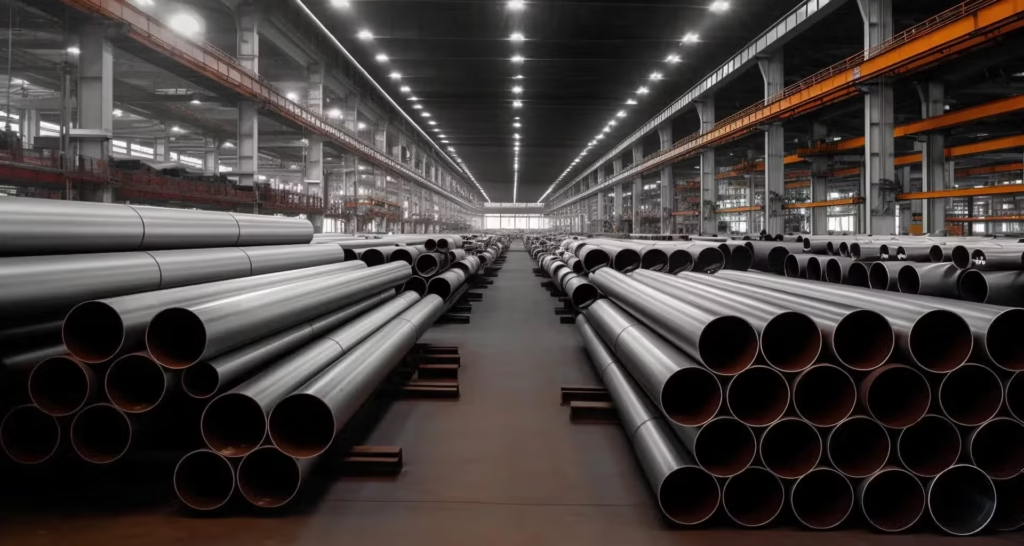
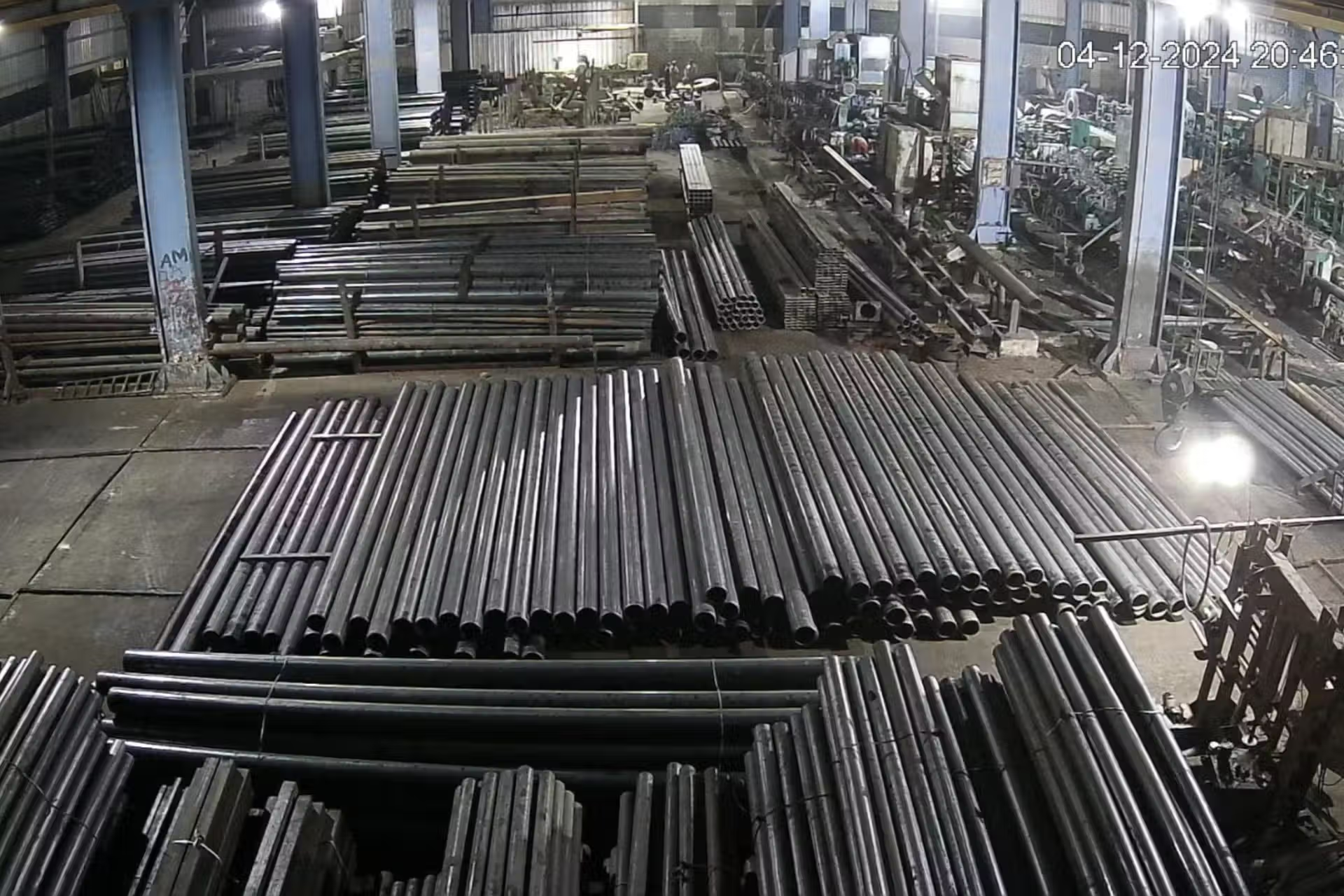
Piping systems made of metals are reputed to be strong and reliable. Most of the metal pipes are made of copper, iron, or steel. These are materials that are applied under high pressure and heat. They work effectively in harsh conditions like factories and heavy construction sites.
The metallic piping systems have a long service life. They are not easily damaged compared to lightweight ones. This renders them the best for using them in places where safety and durability are of utmost importance.
Load-bearing Capability and Strength
Load resistance is considered to be one of the greatest benefits of metal pipes. They are able to withstand heavy weights without being deformed. This renders them applicable to structures. Buildings, bridges, and industrial plants use metal-based piping as support and stability.
Metal does not crack easily. It does not lose its shape during stress. This lowers the possibility of leakages and breakdown in high-pressure systems.
PVC Pipes and Their Use Cases
PVC piping systems are not heavyweight and are easy to manipulate. Residential plumbing and drainage systems normally utilize PVC pipes. They work in low-pressure applications. They are easy to install and are affordable.
PVC does not rust. It is also resistant to a high number of chemicals. The above attributes render it appropriate for water supply lines and waste systems. However, it is not very effective in hot conditions and high load.
Sturdiness and Resistance to the Environment
One of the important aspects in the choice of pipes is their durability. Metal pipes are more resilient to high temperatures and are able to withstand exposure to the outside world. They do not break down under UV light or even physical impact. This renders them applicable to outdoor and industrial settings.
PVC performs well indoors. It can degenerate in the case of long sunlight exposure or heat. Material choice must always be guided by the environmental conditions.
Installation and Handling Differences
The modes of installation do not all involve similar materials. In most instances, metal systems need to be welded or threaded. The process requires professional labor. The process of installation can be time-consuming, but it leads to good connections.
PVC systems incorporate joint connections. PVC pipe fittings can be easily assembled without heavy equipment. This saves on labor and time to install. Nevertheless, such joints can be weakened under pressure or heat.
Project-related Cost Considerations
Budget has a significant influence on the choice of materials. Metal pipes are not the most affordable to install initially. Nevertheless, they have a longer service life. There is a lower cost of maintenance in the long run.
PVC systems are also less expensive in the first place. They are appealing for small or short-term projects. There are long-term expenses that might be higher in case immediate replacement is required. It is significant to estimate the total lifecycle cost.
Maintenance and Repair Requirements
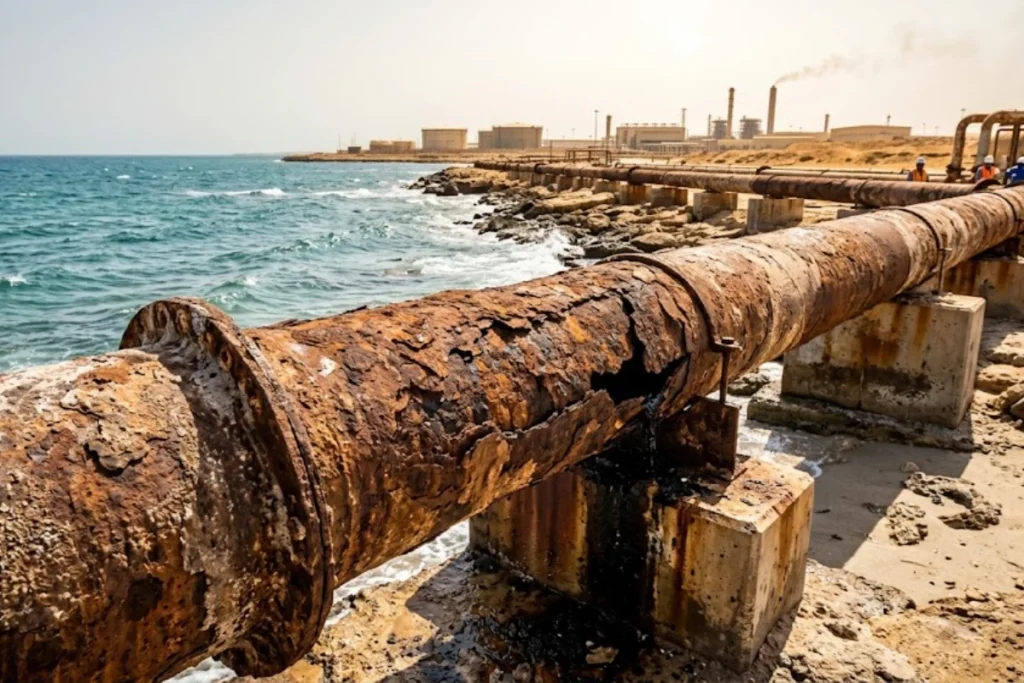
Maintenance has an influence on long-term performance. The metal systems must be periodically checked in terms of corrosion. Shielding can be used to increase life. Appropriate maintenance guarantees decades of service.
PVC systems are less demanding in terms of maintenance. Nevertheless, joint failures and cracks can take place over time. Repairs might involve the replacement of a whole section as opposed to repairs.
Some of the Typical Uses of Metal Pipes
There are a lot of industries where metal piping systems are employed. Metal pipes are necessary in situations that require strength and reliability.
Typical uses include:
- Industrial fluid transport
- Structural frameworks
- Oil and gas systems
- Fire protection lines
- High-pressure water systems
- Mechanical support structures
The applications are based on the stress performance and durability.
Safety and Performance Factors
The important aspect of piping systems is safety. Metal materials are more resistant to fire. They do not melt and do not give forth toxic fumes. This keeps them secure in industrial and commercial buildings.
PVC can be subjected to heat or can become soft. This restricts its application in systems with high temperatures. There are safety standards that tend to drive the choice of material in infrastructural facilities.
Sustainability and Environmental Impact
Sustainability is a concept that is growing widely. Metal materials can be recycled. Steel and copper can be re-utilized without losing their quality. This complements the responsible construction of the environment.
PVC recycling has greater constraints. Waste may be an issue for the environment. Sustainability goals must be put into consideration by project planners in the selection of materials.
Identifying the Right Pipe for Your Project
The choice of the pipe is based on the usage, condition, and cost. High-pressure, high-temperature, and structural applications are the best uses of metal pipes. They are strong and reliable in the long run.
PVC is also effective in residential plumbing and low stress. They are simple to install and are inexpensive. The knowledge of project requirements is the guarantee of optimal results.
Key Comparison Summary
A simple way to make decisions is to compare the following:
- Metal systems are strong and have extended life
- PVC systems are cheap and easy to install
- Metal is better for pressure and heat
- PVC is best when used at low pressure
- Metal has to be installed with skill
- PVC is easy to install using simple equipment
The use of each of the options has merits.
Long-Term Performance and Reliability
With time, metal pipes are stronger. They are deformation and wear-resistant. The infrastructure and industrial systems depend on this reliability.
There is a possibility of earlier replacement of PVC. This has the potential of adding to downtime and maintenance expenses. Planning should be done to consider long-term performance.
Conclusion
The choice of the metal or the PVC systems of piping must be well contemplated. Metal piping is more robust, tougher, and more applicable in rough conditions. They are efficient in high-pressure, structural, and industrial environments. PVC systems can still be used in light functions and the home. They are cost-saving and easy to install. Knowing material differences, project owners get a chance to choose the appropriate solution to be efficient, safe, and have long-term value.