Steel Pipe Construction Guide for Saudi Buildings
Modern construction in Saudi Arabia depends on strong, durable steel pipes. These basic components are used in the construction of residential, commercial and industrial developments across Saudi Arabia.
Understanding Construction Steel Pipes
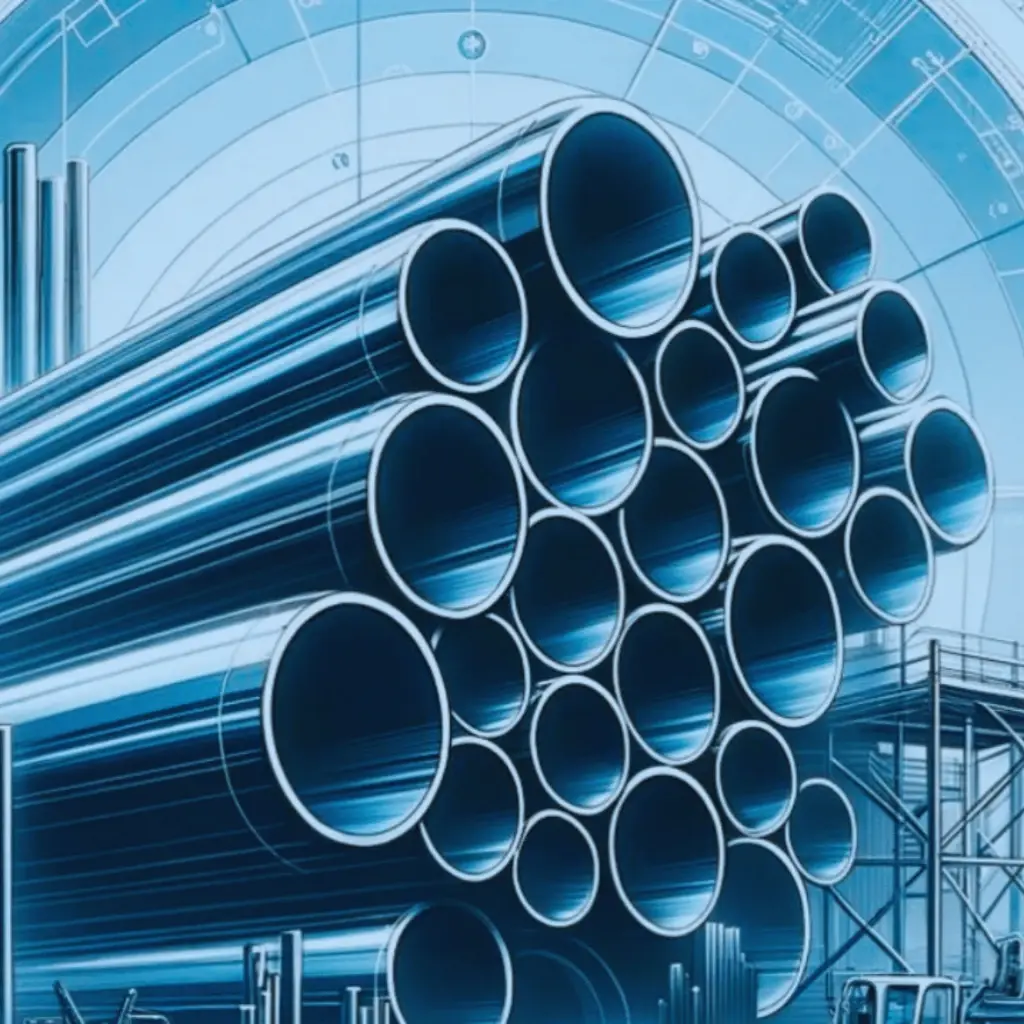
What is a construction steel pipe? Builders and architects use them to support structures, to distribute water, to transport gas, and for drainage systems. The construction market in Saudi Arabia needs high-quality steel pipe. It must meet international standards and be priced competitively for local and export markets.
These tubes have different grades and standards. They both have uses in building. Select the proper pipe to ensure a successful project that lasts and minimizes expense.
Varieties of Steel Pipes in Saudi Construction
Seamless Steel Pipes
Welded joints are absent in seamless pipes. They are made by piercing solid steel billets. These tubes have great strength, ease of workability and are built to withstand intense pressure. The Kingdom’s oil and gas industry is a major user of seamless tubular products.
Advantages include constant thickness, superior pressure capacity and less risk of leakage. Seamless tubes are used in those applications during high-pressure construction.
Welded Steel Pipes
Welded pipes are produced by rolling steel sheets and welding the seams. They are cheaper than seamless options. Welded pipes are predominantly used for water supply, sewage systems and buildings.
These are perfect for lower to medium pressure applications. They’re available in wider diameters for reasonable prices. High quality welding for durability in extreme Saudi temperature.
Galvanized Steel Pipes
Galvanized pipes are coated with a protective layer of zinc. This powder coating resists rust and corrosion. Coastal cities in Saudi Arabia benefit substantially from galvanized pipes because the environment there has high humidity.
The zinc coating provides lasting protection against corrosion and is an effective form of pipe preservation. They’re also good for water supply systems, air conditioning and drainage applications. They are resilient to temperature fluctuations that are typical in the Kingdom.
Key Uses in Construction Projects in Saudi Arabia
Structural Support Systems
Steel pipe is an important material in construction. For engineers, they are columns, beams and bracing in 3-D matrix. In the tallest buildings of Riyadh, Jeddah and Dammam steel pipe pillars are widely used.
Building loads are efficiently distributed by the pipes. They can accommodate a great variety of architectural designs and yet support heavy structures. These days, speed is of the essence, and new-style Saudi building favours steel pipe frames.
Plumbing and Water Distribution
Steel pipes are the most commonly used material in water distribution systems throughout Saudi Arabia. They do carry potable water from treatment plants to buildings. The tubes can resist high water pressure and changes in temperature.
Installation must be done correctly and prevents clean delivery of water without contamination. Preventative maintenance enables systems to work at their best in Saudi conditions.
HVAC and Mechanical Systems
Refrigerant in air conditioner system starts flowing by taking steel pipe as main body. It’s extremely hot in Saudi Arabia, which requires reliable HVAC systems. Modern cooling systems rely on steel pipes to cope with pressure and temperature demands.
Transmission in commercial buildings is dominated by steel pipe systems. These are the systems that heat, cool and ventilate your buildings.
ass=”font-claude-response-subheading text-text-100 mt-1 -mb-1.5″>Fire Protection Systems
Fire sprinkler systems employ thin-wall steel piping. Fire protection in the majority of buildings is enforced by the building codes in Saudi Arabia. Water is distributed rapidly from the pipes of steel during emergencies.
These are systems that save lives and preserve property. Good quality steel pipes ensure the reliable operation when you need it.
Standards and Specifications for the Saudi Arabian Market
Saudi construction conforms to ASTM, API and BS standards. Local standards are enforced by the Saudi Standards, Metrology and Quality Organization. All imported and locally manufactured pipes must conform to these standards.
Common grades such as API 5L and ASTM A53 are covered by each specification. Project specifications determine exact requirements. Compliance is a protection and it’s also the legal thing to do.
Quality Certifications Required
Suppliers shall furnish test certificates of material. These papers are certificates from pipe manufacturers specifying the type and quality of pipe. Saudi inspectors to verify shipments for compliance.
The issue is, does ISO replace manufacturer quality commitment. Projects can also involve third party testing and verification.
Factors to Consider When Choosing Steel Pipes
Pipe Diameter and Thickness
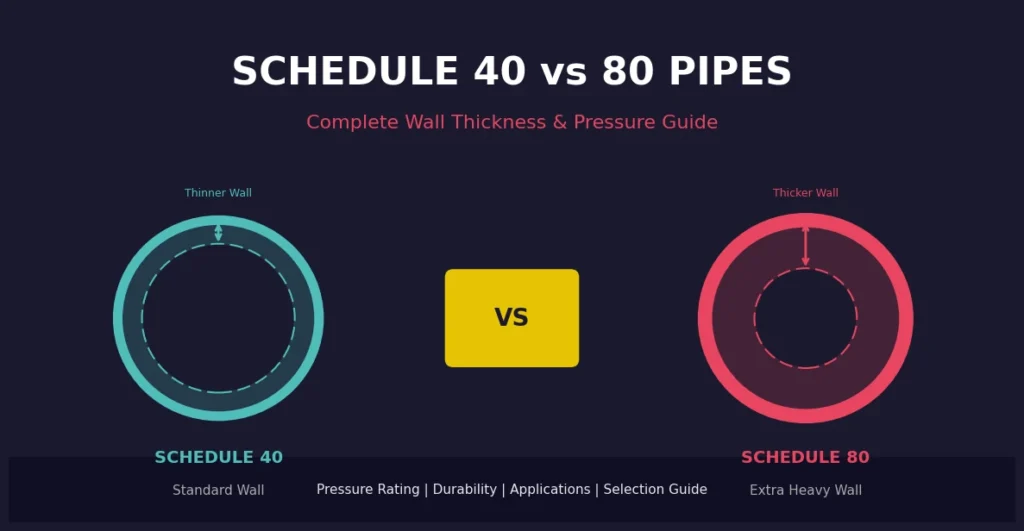
Project requirements dictate pipe size. Diameters of pipes needed are determined by flow rates and pressure. Wall thickness also will impact the overall strength and durability.
The projects in Saudi vary from small residential systems to large-scale infrastructure projects. Sized right for the job, both needs.
Pressure Rating
Specific pressure capabilities are required for different applications. High-pressure systems require thicker walls and more robust materials. Lighter and cheaper alternatives can be used in low-pressure applications.
Awareness of pressure needs avoids losses and reduces the risks involved. Consultants work to obtain home rating for Saudi conditions.
Corrosion Resistance
The corrosion problem in Saudi Arabia is due to climatic conditions. Being by the coast, desert sand and extreme temperature changes also influence how long our pipes will last. Lifespan can be vastly extended through protective coatings.
Material selection impacts corrosion resistance. The performance of some grades may be better in the otherwise similar harsh environments. It is important to apply the coatings in a suitable manner during manufacture.
Cost and Availability
Budget constraints influence pipe selection. Quality and cost in equilibrium is how a project can be successful. And local vendors often offer superior pricing and speedy delivery.
There are so many suppliers and manufacturers in the Saudi market. Compiling estimates guarantees competitive rates and allows to keep the quality.
Best Practices for Installation in Saudi Arabia
The installation will make a difference in performance and the life of your system. Tradesmen still have to do the cutting, threading and joining of pipe. Welding is a controlled process, performed by certified welders applying appropriate weld procedures to order specifications.
The problem with the site in Saudi Arabia is that it is quite unique. Weld quality and material handling are influenced by quite a lot of heat. Strict observance of safety measures are key for construction teams.
In the absence of support and anchoring, pipe movement and stress can result. It is cold enough or hot enough so raising the temperature or lowering it just 1 degree will make you feel different. Thermal expansion considerations matter because there’s quite some variation in temperatures in Saudi. Experienced installation crews know best practices and locality requirements.
Maintenance and Inspection Guidelines
Routine monitoring identifies early indications of potential issues. Visual inspections detect surface corrosion, leaks and other damage. System integrity is checked regularly by pressure testing.
By maintaining coating, pipes can be shielded from environmental injury. Reapplication or overcoating increases service time. Specialized maintenance companies provide inspection and visit services in Saudi Arabia.
Documentation is also useful in monitoring the condition of the pipe over time. Maintenance logs are useful for property management and regulatory purposes.
Market Trends in Saudi Arabia
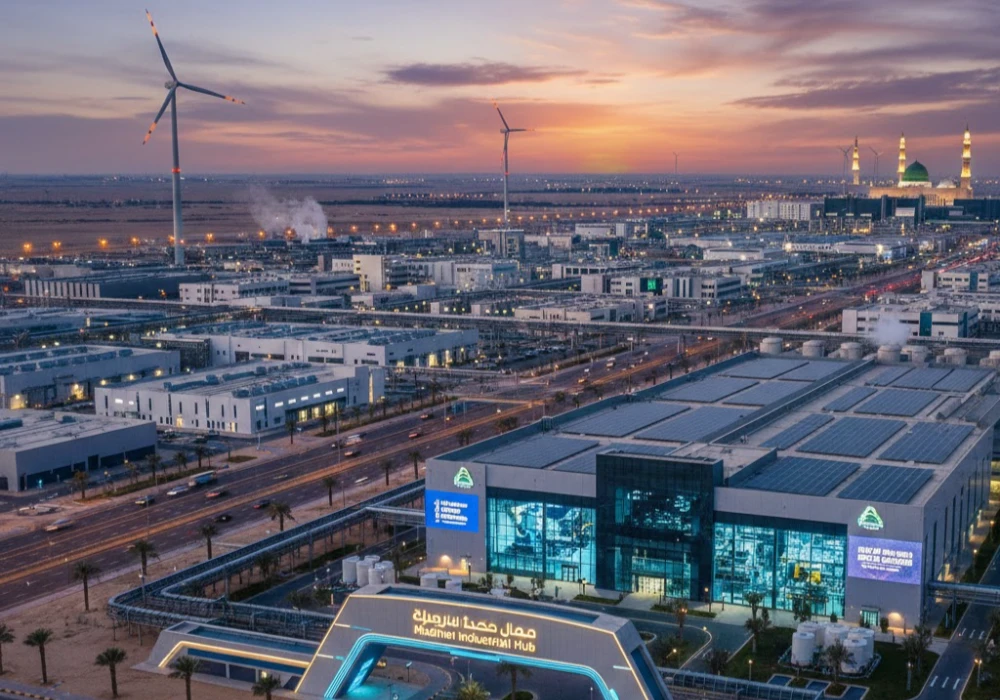
Vision 2030 fuels huge construction expansion across the Kingdom. Quality steel pipe is in high demand for infrastructure projects. Sprawling new cities, transportation networks and industrial complexes are hungry for gargantuan amounts.
Local manufacturing capacity continues expanding. Saudi firms plough money into state-of-art factories. This expansion decreases our reliance on imports and spurs job creation.
Sustainability concerns influence material choices. The recycled steel content in new pipe goes up. Green building standards impact the selection of pipes and the way they are installed.
Purchasing Steel Pipes in Saudi Arabia
They have large suppliers in Riyadh, Jeddah and Dammam. The market is supplied by both local producers and international importers. Relationships that have already been developed secure supply chains.
Online platforms simplify procurement processes. Detailed specs and pricing are available in digital catalogs. Large orders still needs to be physically checked, but.
Imports must be accompanied by the appropriate paperwork and customs clearance certificates. It’s easier if you have experienced freight forwarders involved. Knowing the Saudi import rules helps to avoid delays.
Conclusion
Steel pipes for construction continue to be an essential product in Saudi building industry. Knowing the types, uses and decision factors for source equipment provides for a successful project. Sound materials and correct installation provide long lasting systems customers can depend on.
The Saudi market has abundant choices for construction experts. Adhering to standards and best practices makes thing safe and fast. With the Kingdom developing it features high demand for good steel pipes.
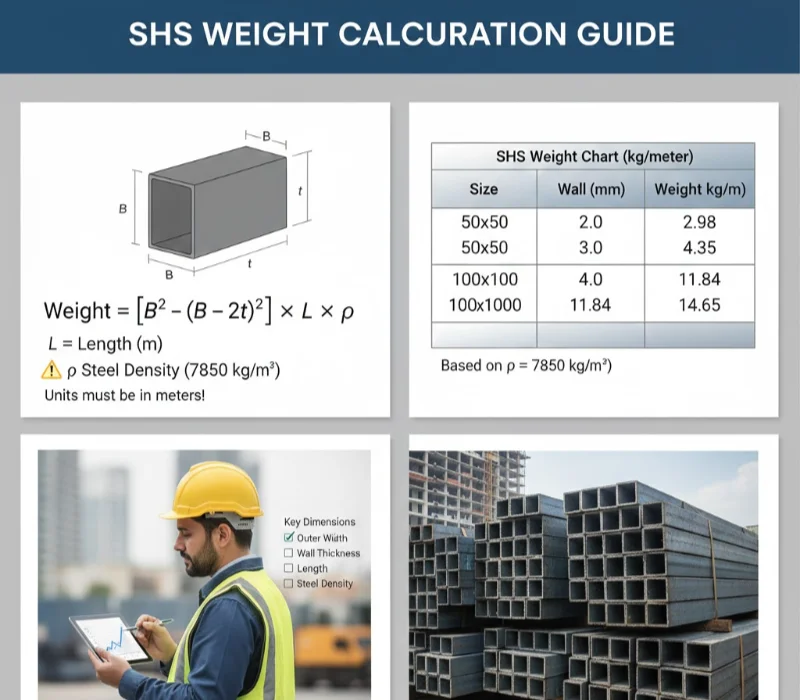
It’s this type of investment that pays off in the long-term with choosing and installing the right pipes. From homes and offices to manufacturing plants, mild steel tubes pipes provide fine quality as well. Their flexibility and dependability make them the top choice for conveyors on Saudi construction sites. This applies to both round pipes and square tubes.