What Application Are You Going to Use the Steel Pipe For?
Galvanized pipes are steel pipes that have been covered with a layer of zinc metal, causing these pipes to resist rusting and corrosion for decades.
Strong and Durable
The process of hot-dip galvanizing creates a metallurgical bond between the zinc and steel with a minimum tensile strength of 360MPa, offering a long maintenance-free service life. Ideal for use in industrial, commercial, and residential sectors throughout KSA and the Middle East.
Understanding the Galvanization Process
Ordinary steel pipe is coated by a zinc layer to become galvanized steel pipe through one of the following processes. First, the steel tubes need to be cleaned well, washed with rust cleaning acid, oil removal, and washing with water. This preparation is crucial before the zinc will bond adequately with the steel.
The cleaned pipes are then dipped in a vat of molten zinc (at a temperature of about 450°C) to coat the steel and form an even layer around the circumference. The harsh heat of the galvanizing process results in a metallurgical bond between zinc and steel, with a series of distinct iron-zinc alloys. These layers consist of a pure zinc surface and a zinc-iron alloy layer below. The zinc-iron alloys are harder than the base steel and are very resistant to physical damage.
The pipes are chilled in a quenching bath, and then the coating thickness and quality are examined. This gives the surface a characteristic silvery-grey appearance which will show if the process is performed correctly.
Main Types of Galvanization Methods
Various galvanizing methods are used to meet the special requirements of some industries. GI pipes are most commonly used for hot-dip galvanizing. It forms a thicker, more durable zinc coating that provides better protection in even the most extreme environments like water supply systems, oil and gas pipes, underground structures, or structural steel.
Electro-galvanizing is a process of coating steel by passing it through an acid bath and running a current through the steel. The process yields a thinner coating than hot-dip galvanizing and is limited to parts of smaller dimensions; however, its capability to provide good adhesion can be higher in mild or indoor conditions.
Zinc spraying, “Thermal spraying” or “Metallizing” as it is also known, is the process of coating steel by evenly applying a layer of zinc which is melted and sprayed onto the pipe surface using an arc or flame spray method. It is especially suitable for the repair and coating of large surfaces or difficult pipe geometries.
Sherardising (vapour galvanizing) is an alloying process that involves heating zinc powder to its melting point and allowing the fumes to form a rust-protected layer on carbon steel. This method is applicable to small diameter pipes, as well as applications that require uniform application.
Key Advantages of Galvanized Pipes
That’s been the practice because the zinc coating is a sacrificial anode—it corrodes first, before the steel beneath. Even if the protective zinc layer is scratched or abraded, nearby zinc still protects the exposed steel from corrosion in a process known as cathodic protection. This self-healing characteristic prevents further rust from developing and keeps the life of the pipe much longer.
Galvanized pipes are a good choice with their excellent resistance to moisture. They resist moisture, chemicals, salt air, and are safe for underground use with no breakdown of the insulation. This degree of protection is especially appreciated as these lighting systems are often exposed to extreme desert conditions in outdoor installations and infrastructure developments.
Longevity and Durability
Galvanized pipes last for ages. They generally have a lifespan of more than 50 years, with little maintenance. Along the coast, this coating remains effective for about 20 years before obviously needing repairs. Expensed over time, galvanized pipes are also an economical solution: they might cost more initially than the alternatives but last longer.
Low Maintenance Requirements
Galvanized pipes do not require much maintenance. Painted steel pipes have to be repainted on a regular basis; galvanized pipes virtually never need new paint. The action of the zinc coating is a self-healing barrier, as minor damage to the surface of the coating is repaired by automatic healing in conjunction with continuous protection of the steel.
Cost-Effectiveness
Another significant advantage is affordability. Hot-dip galvanizing is much more affordable than stainless steel or copper equivalents. Its low cost of processing, together with its low maintenance requirements and longer life, makes it great value long-term for the industrial and commercial sectors.
Common Industrial and Commercial Applications
Water Distribution and Supply Systems
The most common use for galvanized piping is for water distribution and supply lines. From homes and apartment buildings to bridges and parking garages, this pipe is the most common in various types of construction. A zinc coating provides resistance to not only contamination but also ensures water purity and safety standards necessary throughout the region.
Plumbing Systems
Galvanized pipes are an integral part of plumbing systems known for their long life and extreme reliability. Whether carrying water from the street to your home or cycling water through your house, there’s a pipe tough enough for you—and whatever else comes its way: pressure swings, temperature stability changes, even freezing water. Smooth interior helps provide excellent water flow and reduces the risk of clogging.
Agricultural and Irrigation Systems
Agricultural and irrigation devices in Saudi Arabia are highly dependent upon galvanized pipes. The hot desert, in the sun all day and rain moisture in the ground, creates an environment conducive to corroding away normal steel. Galvanized pipes have the ability to resist any such harsh environmental conditions, and as such, they are fit for farm water supply, borewell systems, and tube well works.
Oil and Gas Transportation
Many different uses of steel pipes can be found in such places as gas and oil transportation systems. These pipes can operate in the harsh methods of taking petroleum out, refining it, and taking out the deposits to ensure that there would be no obstructions on its way. Large Saudi energy projects use galvanized pipes extensively because of the trust that they have in the pipe work.
Fire Sprinkler and Safety Systems
Fire sprinkler systems and emergency fire suppression systems depend on trustworthy piping products. And for these crucial safety systems, you need the durability and protection of galvanized steel pipe. This and their fire retardant qualities make them such attractive materials for constructing safety structures.
Construction and Scaffolding
Galvanized pipe tubular systems are used for scaffolding to develop substantial and robust structures that can be both temporary or permanent and are easy to disassemble. The zinc coating provides protection against corrosion during the construction phase without compromising the long-term integrity of the structure in a finished environment.
HVAC and Heating Systems
Galvanized pipes can survive the harsh connection between hot and cold, making them a must in HVAC systems and heating networks. Zinc coating keeps products rust-free, clean air flowing, and protects heat exchanger fins.
Telecommunications and Electrical Infrastructure
Galvanized pipes are largely used in telecommunications and electrical systems along with electrical infrastructure for gripping towers and hanging poles. A zinc coating stays strong under natural elements and can withstand all kinds of weather.
Galvanized Pipe Specifications and Standards
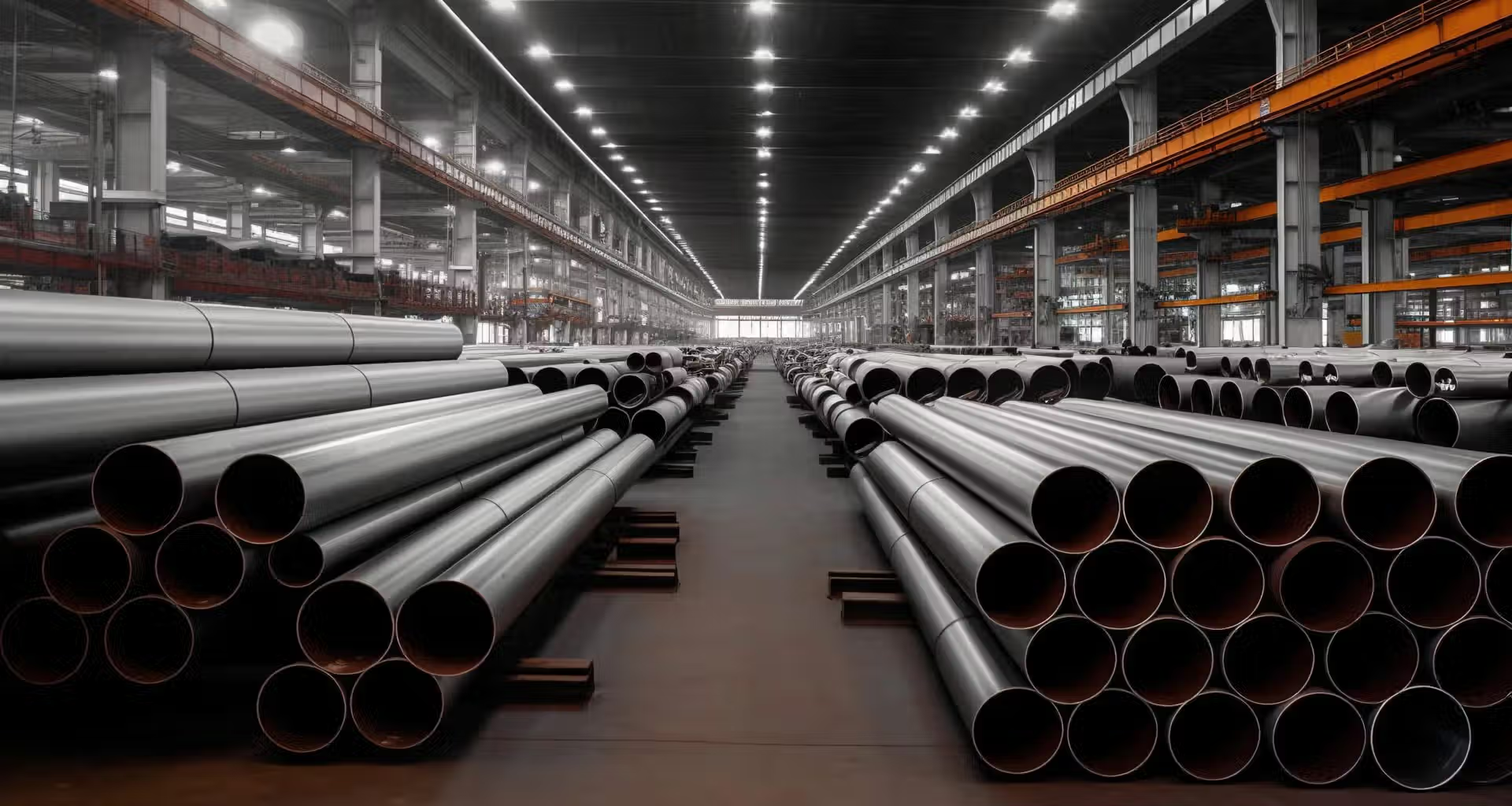
Galvanized pipe is available in a range of diameter and wall thickness sizes, specifications to meet the particular requirements of carrying water, petrochemical, oil and gas, or other fluids. Available in sizes between ½ inch and 8 inches diameter with standard 20-foot lengths.
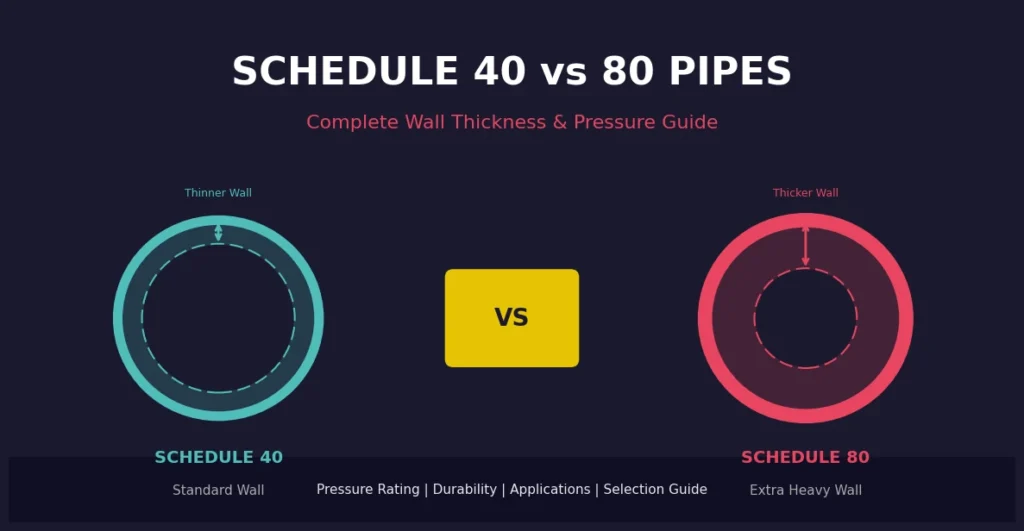
Schedule 40 and stronger schedule galvanized pipe is used for higher pressure applications. These pipes have thicker walls than thin-wall stainless steel pipe and can handle low-pressure applications with water, oil, air, gas, and steam.
The quality of a product is governed by the specifications that are written up in various international standards as ASTM, ISO, and API. In Saudi Arabia, pipes are also required to meet the SASO (Saudi Arabian Standards Organization) standards and carry certificates for public health and safety.
The thickness of the coating depends on galvanization procedure and specification. Minimum coating layer requirements usually vary from 50 to 150 microns, depending on the use as well as the conditions.
The Zinc Coating’s Protective Mechanism
The bond between the zinc coating and steel is metallurgical and exists rather than having the zinc just sit on top. This close bond produces a film to bridge the pores of the metal. Not only this, but other protective layers are formed which, as a whole, provide rust resistance. The pure zinc layer is the first line of defense against moisture and corrosive elements.
Underneath the pure zinc, there is an intermetallic layer of up to 100% iron and zinc. These materials safeguard the units from getting scratched, hit, or physically damaged during transport, installation, and usage. The tiered design delivers complete shelter.
If subjected to moisture and corrosive species, the zinc works/tends to be preferentially attacked as it corrodes in preference over the steel. This sacrificial protection process guarantees that should there be any chipping or nicking of the coating, then the zinc that is adjacent will protect the wound area. This property of the coated bond makes galvanized steel ideal for outdoor use in addition to exposure to salt spray.
Why Are Galvanized Pipes Still the Default?
For over 100 years, standard hot-dipped galvanized pipes have been the most popular choice for water and oil-based systems. The durability, low-cost maintenance, and long service life of the product result in great value for any residential, commercial, or industrial application.
In countries with extreme weather and environmental conditions such as Saudi Arabia, the galvanized pipe provides lasting performance for water lines, plumbing systems, construction, and various industries. The premium galvanized products supplied to the market by leading manufacturers such as Saudi Iron & Steel Company (Hadeed), Tenaris, National Pipe Company, and Arabian Pipes Company meet international quality criteria.
The self-healing capability of zinc coatings translates to less emergency maintenance and less downtime on critical systems. This dependability is a significant saving to water utilities, factories, and construction companies.
Conclusion
For many decades, galvanized pipes have proven themselves a reliable technology and are still serving the infrastructure requirements of Saudi Arabia and neighboring GCC countries. Their advantages such as corrosion resistance, long life, easy maintenance, and low cost make it an ideal transportation product in water supply systems, plumbing networks, agricultural and industry. From new build to upgrading outdated pipes, coated piping provides reliable decades of service in the region’s extreme climate and environmental variables.