One of the most reliable ways of testing the integrity of pipes before they get to the project location is through hydrostatic testing. It is not a marketing claim. It is a feasible and quantifiable quality check. This test is a confirmation that no pipe will leak or burst when it is internally pressurized.
Pipe failure is not a minor problem in construction and industrial work. A small leak can cause a shutdown, repair, and loss of money. This is the reason why pressure testing at the factory level is not optional.
Learning the Purpose of Hydrostatic Testing
In its simplest form, hydrostatic testing is aimed at proving strength. The pipes are designed to transport pressurized water, gas, or other fluids. When a pipe fails to withstand controlled pressure at the factory, it will not withstand the actual operating conditions.
The test reveals the weaknesses that cannot be spotted by the naked eye. These may consist of:
| Potential Defects Detected | Description |
| Micro-cracks | Tiny fractures in the material structure |
| Pinholes | Small, localized punctures or voids |
| Seam defects | Weaknesses along the welded or joined sections |
Early detection of such defects secures the whole system.
Why Is Water Used To Test the Pressure?
This is due to the use of water which is safe and effective. Water does not compress easily as compared to the air or gas. This minimizes the chances of failure when testing.
When a pipe ruptures as part of a water test, energy cannot escape as much. This will ensure that the process is safer for both operators and equipment. It is also easy to detect leaks through water, where even slight seepage can be seen.
Before Testing Quality Control Starts
The quality system is not limited to pressure testing. Raw materials are checked before any pipe passes through the hydro tester. The composition of chemicals is verified. Mechanical characteristics are checked.
In the processes of forming and welding, measurements are taken to a great degree. These include:
Thickness of the walls
Roundness of the round pipes
Straightness of the sections
Consistency of the welds
These are steps that are taken to maintain consistency before pressure.
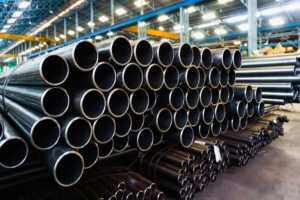
Preparing Pipes for the Test
Internal pipes are pre-tested by internal cleaning. Dust, scale, or metal particles are eliminated. Clean interiors will avoid false results and will not damage the testing equipment.
This is done by sealing each of the pipes at both ends using high-strength caps. These caps will resist high pressure so that they do not slip or leak. It is important that proper sealing is done to ensure proper results.
Hydrostatic Testing Process Step-by-Step
When it is in place, the pipe will be filled with water. Any trapped air is released. This should be done to prevent air pockets, which may influence pressure readings. Gradual application of pressure is then applied using a calibrated pump. Depending on the size of the pipes, the thickness of the walls, and the standards that are applicable, the target pressure would vary. The pressure is maintained over a specific duration. At this phase, operators pay close attention to the gauges and the surface of pipes.
Inspectors Searching During Testing
The test is both technical and visual during inspection. Pressure stability on the gauge is checked by the operators. Any sharp decline is a sign of something wrong. Simultaneously, the surface of a pipe is monitored. Even a drop of water is being taken seriously. To pass, a pipe must be totally dry. Zero tolerance towards leaks.
Definite Pass and Fail Standards
A pipe fails the test in case the required pressure is not maintained throughout the duration. There should be no leakage, sweating, and deformation. In case a pipe collapses, it is immediately taken off the production line. The reason behind failure is examined. This feedback assists to avoid such problems in the following batches. Pipes that have failed are never shipped.
Capturing Findings and Traceability
All the successful tests are recorded. The pressure values, time of test, and pipe identification are taken.
On a trial basis, pipes are labeled to show compliance. This marking connects the tangible item and quality documentation. Audits, inspections, and client confidence require traceability. Just like the test, documentation is significant.
The Value of Talented Operators
Much of the work is done by advanced machines, yet human expertise is crucial. Experienced operators know the behavior of pressure. They can detect anomalous readings or any latent problem. They have experience that prevents inaccurate and inconsistent tests. Constant training ensures that operators are in line with the current standards and practices. It is human beings who make quality rather than machines.
Graphical Testimony of Quality Control
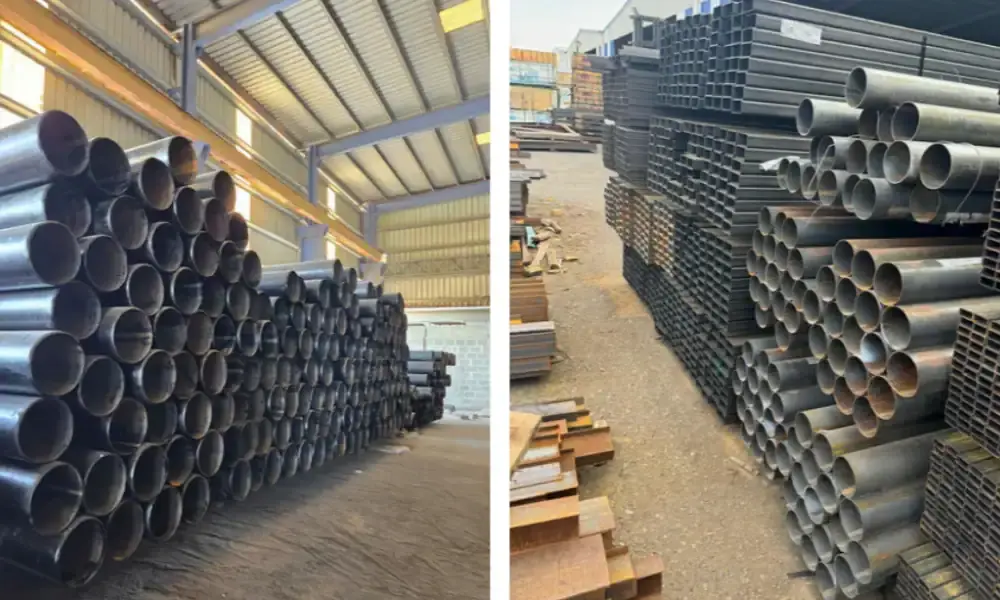
A lot of factories have visual records of testing. Pictures demonstrate pipes that are linked to hydro testers. There are pressure gauges and control panels. Clients or inspectors are likely to be presented with these images. They ensure openness and strengthen confidence. The perception of the process of the test develops trust in the product.
Incidents of Defects Observed During Tests
A few of these defects are not noticed unless they are put under pressure. These include:
| Common Test Failures | Impact on Project |
| Small seam leakages | Gradual loss of pressure and fluid |
| Poorly welded areas | Potential for catastrophic structural failure |
| Variances in materials | Uneven stress distribution under load |
Such defects may not be identified before installation without the use of hydrostatic testing. It helps to reduce expensive site failures and project delays. The test is an ultimate protective measure.
Hydrostatic Testing and Project Success
The fact that there are no leaks in pipes contributes to the reliability of the system. They lessen the maintenance requirements and increase the service life.
To the contractors, it translates to less number of calls back. To the owners, it translates to peace of mind. It is advantageous to all to take quality tests at the factory level, whether for square tubes or specialized piping. Powerful pipes result in powerful projects.
Adherence to Industry Standards
Hydrostatic testing is conducted in accordance with the accepted standards. These are the criteria that stipulate pressure boundaries and detention duration.
It is also compliant and therefore it is accepted by the consultants and regulatory bodies. It also facilitates those projects that need international approvals. Adhering to norms is an indication of professionalism.
Environmental Responsibility and Safety
Hydrostatic testing is eco-friendly when water is used. It is possible to filter water and recycle it. This minimizes waste.
The process also safeguards the workers, whereby risk is minimized. Controlled use of pressure and safety measures are highly trained. Sustainable manufacturing is facilitated by responsible testing.
Devotion to Continuous Improvement
Testing is not a fixed process at factories. Its equipment is frequently upgraded. Procedures are assessed and enhanced.
The project and inspection feedback assists in the refinement of quality controls, ensuring high standards for pipe threading and grooving services Madinah. This promise will make the testing effective and reliable in the long run. Quality is a result of experience at Arif Al Khayr.
Conclusion
The hydrostatic testing is an essential step to treating reliability of pipes. It ensures that strength is checked and that any defects that exist are identified and before pipes are released out of the factory, that they meet the specifications. By means of proper preparation, efficient working, and rigorous documentation, manufacturers make sure that only pipes that are leak-free are delivered to the market. It is a process that safeguards projects, minimizes risks, and provides long-term performance. When properly pressure tested, trust runs along with each pipe laid.