Pipe fabrication is an essential practice in various industries in Saudi Arabia such as oil and gas, petrochemicals, construction, and water treatment. Quality during manufacture is crucial to the continued safety, reliability, and adherence to national and international standards. Quality control of the pipeline fabrication not only improves product quality but also decreases risk, prevents delays in project time frames, and reduces maintenance costs.
The Importance of QC in Saudi Pipe Fabrication
Industrial projects in Saudi Arabia require precision and safety. Inferior pipe quality may result in leaks, degradation, and high costs of failure. Quality control checks every phase of pipe fabrication to follow the engineering plans and industry codes (ASME, API, or ASTM).
Robust quality control programs help identify defects at an early stage of production, ensuring that pipes are suitable for high-pressure and high-temperature applications that are prevalent in Saudi oil refineries and gas plants. Besides reputation, manufacturing businesses that uphold high quality standards also fulfil regulatory requirements of bodies like SASO (Saudi Standards, Metrology, and Quality Organization).
Key Points of QC in Pipe Fabrication
Material Inspection
Quality control begins by approving raw materials. Fabricators need to find out if their steel (pipe, fittings, and flanges) meets chemical as well as mechanical requirements. Verified suppliers and certified MTC provide buyers with the assurance that each batch of purchased material is up to par.
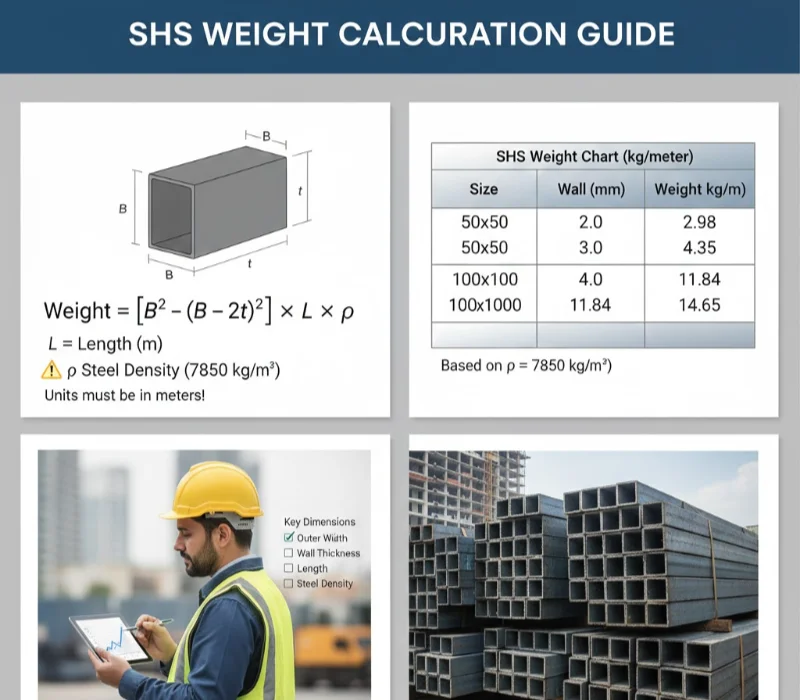
To support buyers, materials such as SHS RHS steel tubes are often sourced from certified suppliers:
SHS RHS steel tubes
Welding Quality and Inspection
Welding is a very important process in the fabrication of pipes. Expert welders and controlled processes act as a deterrent against cracks and leaks. Non-destructive testing (NDT) means of radiography, ultrasonics, and magnetic particle tests are applied to examine the weld quality without damaging the pipes.
Dimensional Accuracy and Fit-Up
All pipe spools must be within design dimensions and tolerances. Precise cutting, beveling, and facing allow for easy job site welding. This avoids expensive onsite reworking and delays.
Surface Treatment and Cleaning
Good coating, painting, and anti-corrosion protection enhance the life of process pipes, particularly for harsh operating environments such as those prevailing in Saudi Arabia. Quality control checks the proper application of approved materials as per surface preparation standards such as SSPC or NACE.
Pressure Testing and Final Inspection
The strength and leak resistance of the pipe are examined through hydrostatic or pneumatic assessment. All procedures are logged by inspectors to guarantee traceability and conformity with client and industry requirements.
Advantages of Having Robust Quality Control Procedures in Place
The advantages of Quality Control to those within the pipe fabricating industry are clear. Such benefits include:
Risk minimization associated with projects by detecting any faulty materials or welds.
Reduced life cycle project maintenance costs.
Safety for troubleshooters and end users.
Conformance with standards and specifications for Saudi and international markets, generating more government/pvt sector projects.
Greater reliability and reputation, enhanced customer confidence, and long-term partnerships.
In Saudi Arabia’s competitive industrial market, fabricators who set a high standard for quality often have the edge by supplying reliable, certified piping systems that durably perform.
Problems in Pipe Fabrication and Quality Control
Quality control encourages quality and excellence; however, this is not without its challenges. These include skilled labor shortages, tight project schedules, and material price volatility that can disrupt regularity. Fabricators have to strike a balance between cost-effectiveness and inspection quality. To this end, the implementation of digital quality management systems (QMS) can digitise documentation, improve traceability, and minimise human intervention.
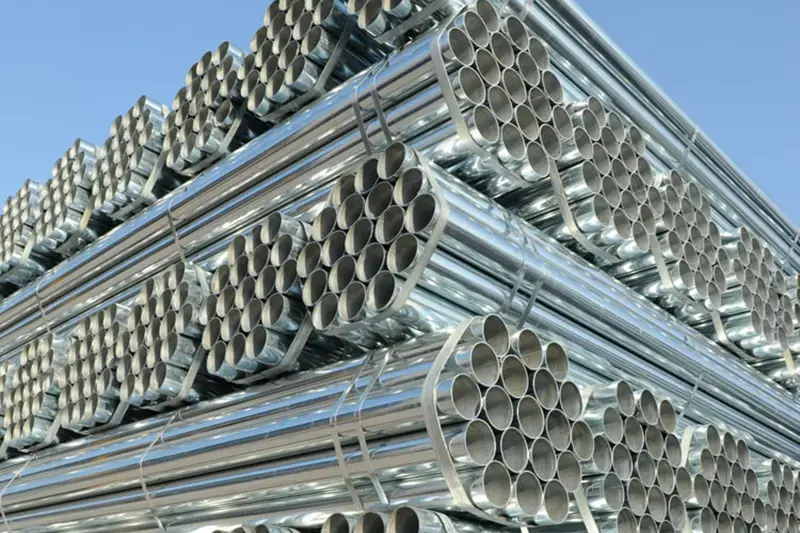
Products such as galvanised steel pipes and mild steel tubes are especially influenced by these challenges:
Galvanised steel pipe and tube lengths
Mild steel tubes and pipes in Saudi Arabia
Pipe Fabrication Companies in Saudi Arabia – Best Practice
To enhance the existing quality systems in Saudi Arabia, manufacturers based in this country should:
Train welders, inspectors, and QA/QC personnel.
Take advantage of automated cutting, beveling, and welding processes for greater accuracy.
Use digital probing devices and project management aids.
Develop checklists for each phase of the fabrication.
Undertake third-party audits and performance reviews for areas of ongoing improvement.
These align with the objectives of Saudi Vision 2030, which aims to achieve industry competence and infrastructure stability.
Additional professional support services can assist fabricators:
Fabrication and industrial services
Impact of Quality Control on Project Success
Companies in oil and gas, desalination, and construction projects depend on consistent quality to adhere to safety and performance specifications. A failure of even a single pipe can bring down an entire system and result in extensive downtime. By carrying out rigorous quality control, fabricated components are trusted and help reduce installation time.
High-quality production minimizes waste and rework, helps to protect the environment, and contributes to client satisfaction – all factors master companies are on board with as they seek long-term profitability in the Kingdom’s increasingly formidable industrial economy.
Conclusion
Quality control of pipe fabrication is more than a regulation; it’s a competitive edge. For businesses in Saudi Arabia, it means dependability, efficiency, and competitiveness in some of the world’s most established industries. Throughout the process, from materials inspection to finished testing, pipe fabricators ensure that every piece of the system is manufactured with quality in mind, resulting in strong, long-lasting systems.